Portable CMMs

Sort By:
Newes Listing
Can’t find what you are looking for?

Portable CMM

What is a portable CMM?

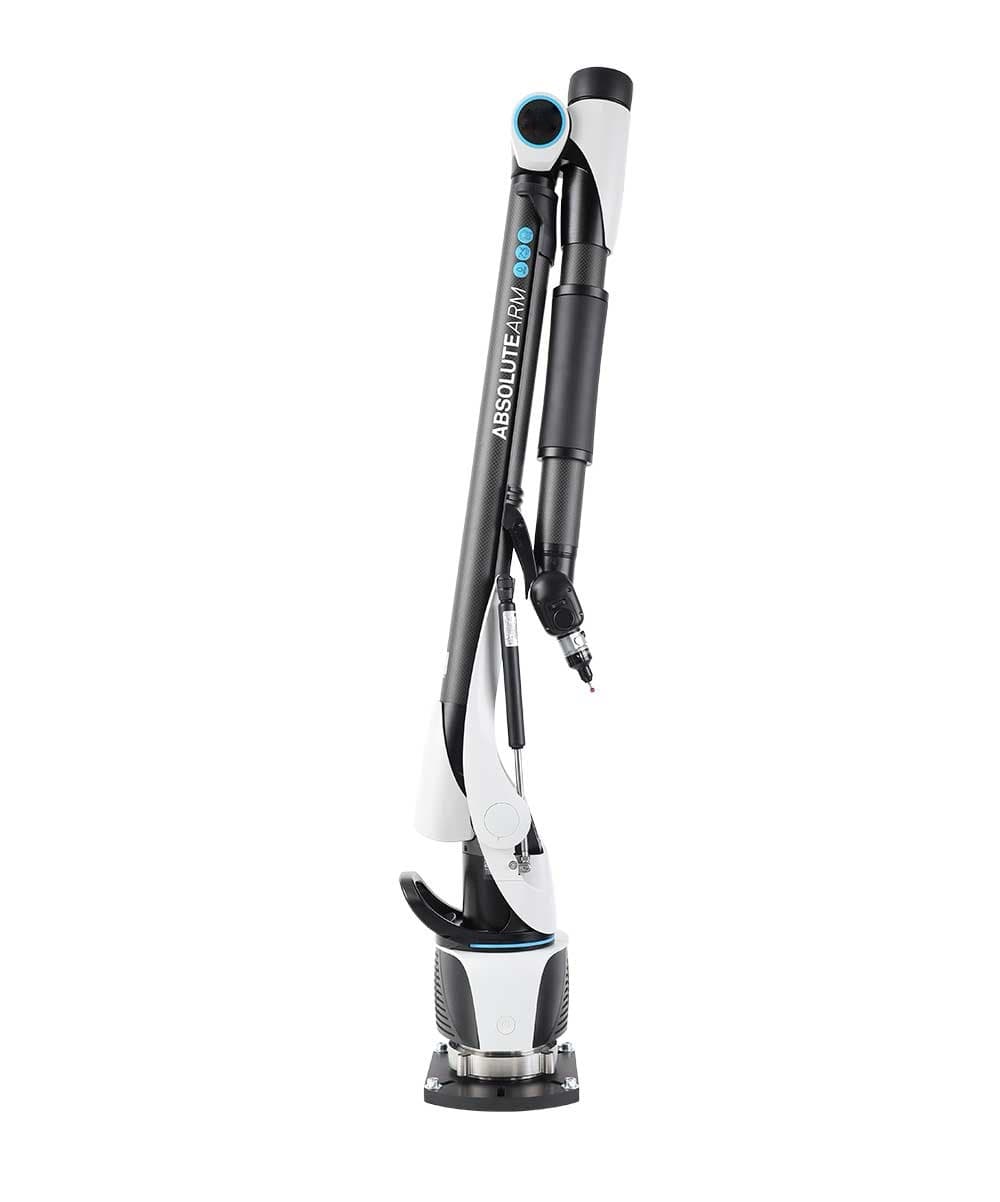
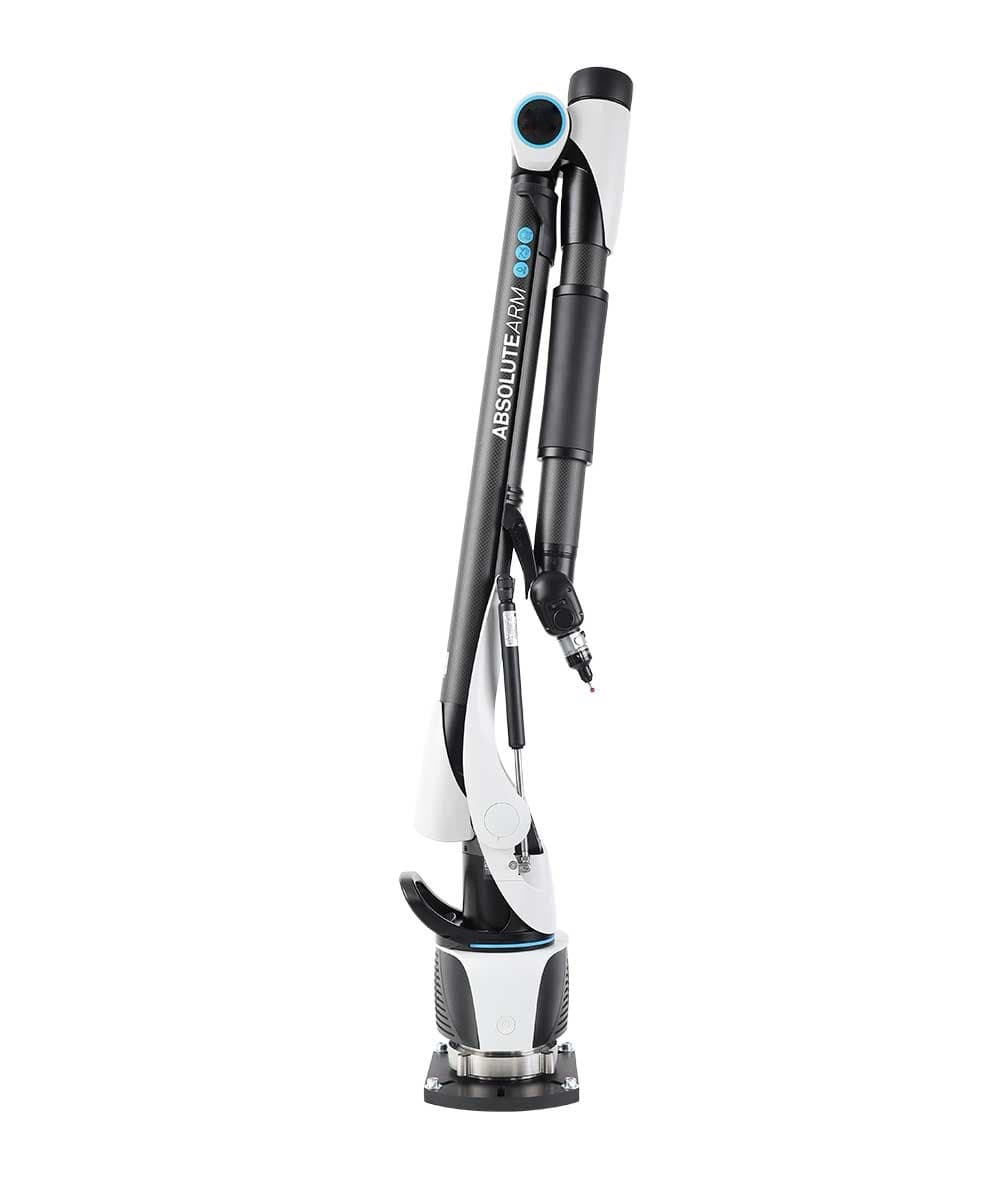
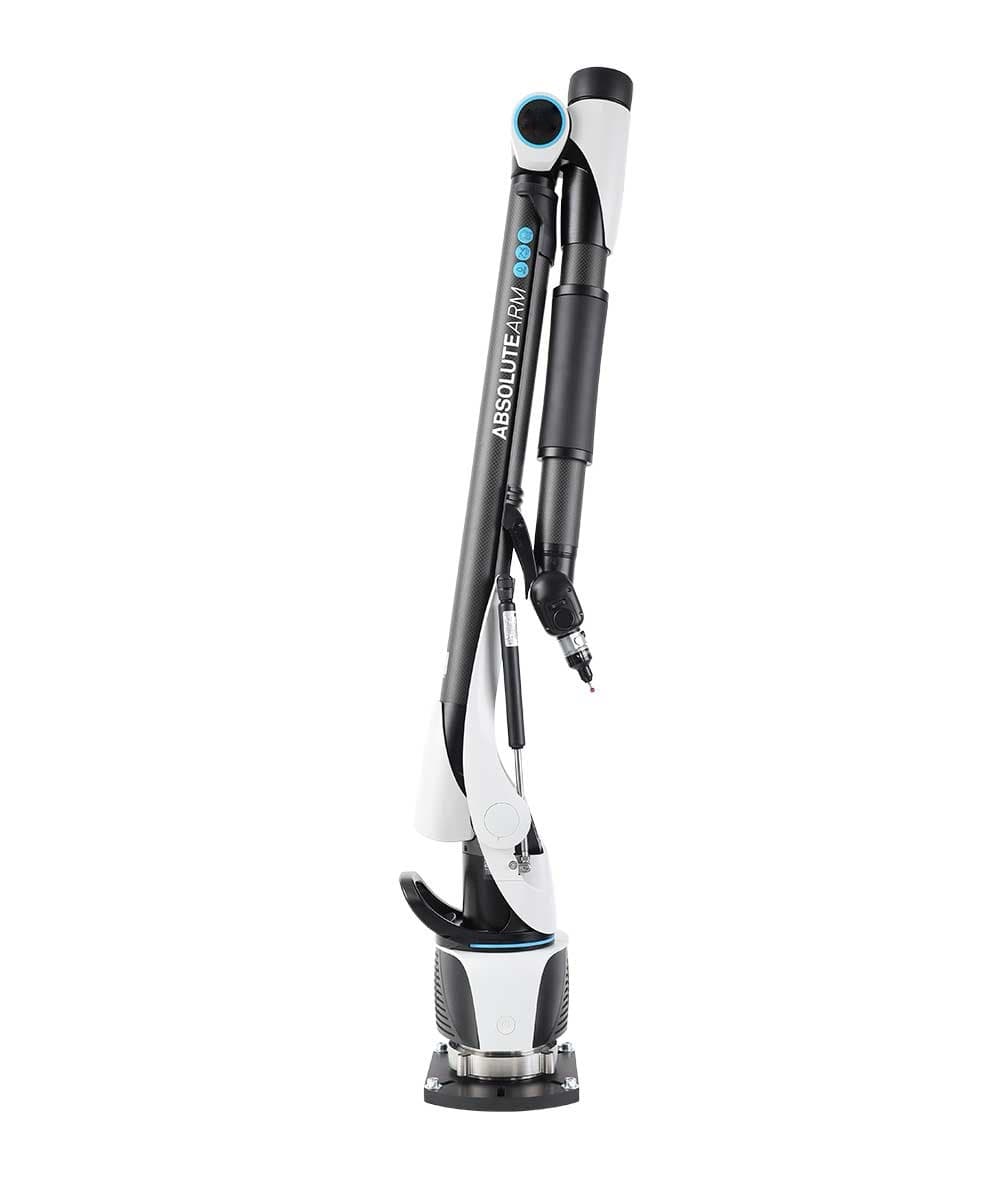
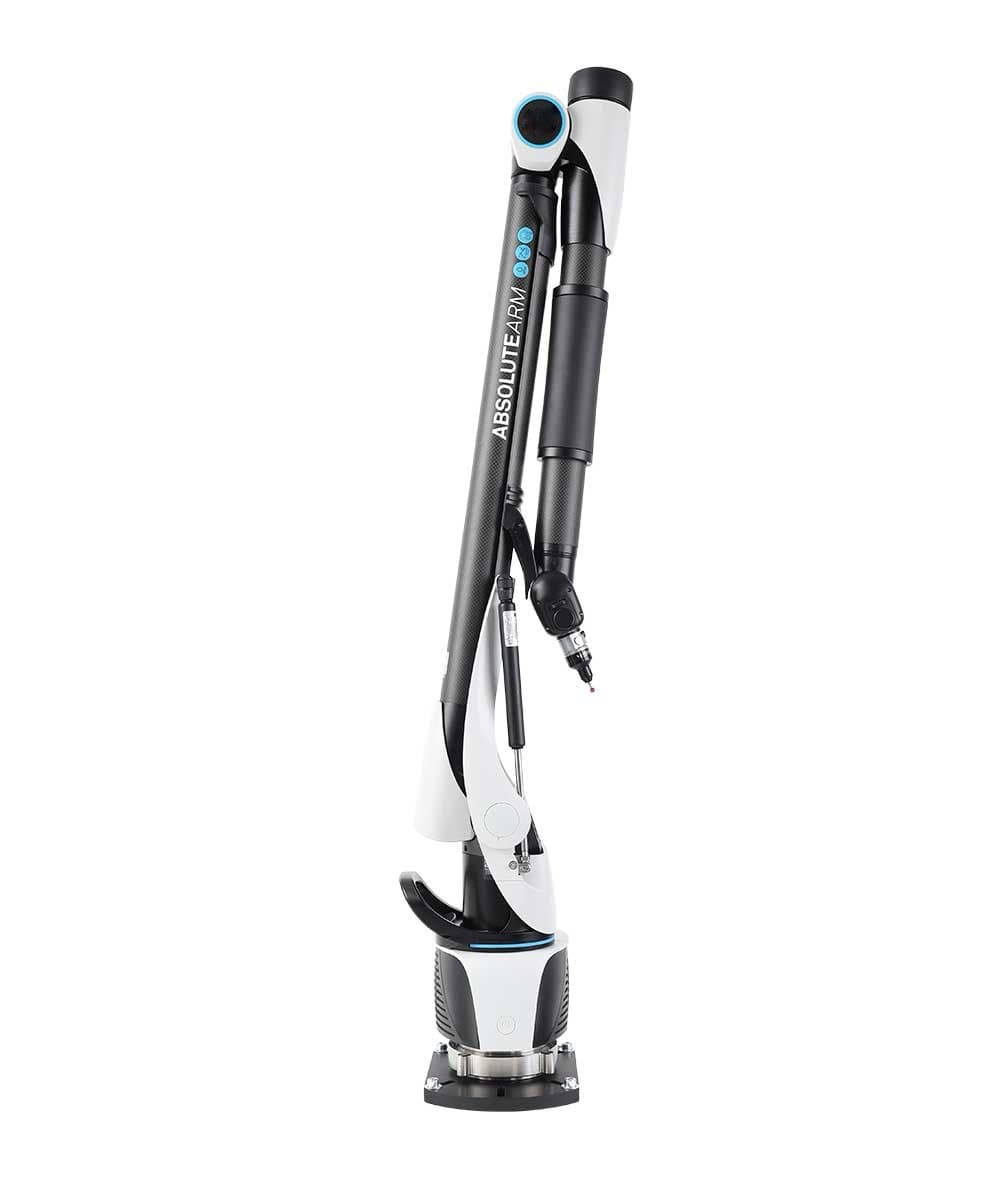
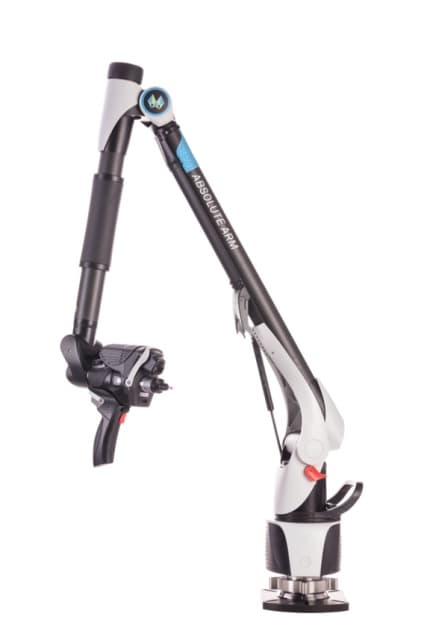
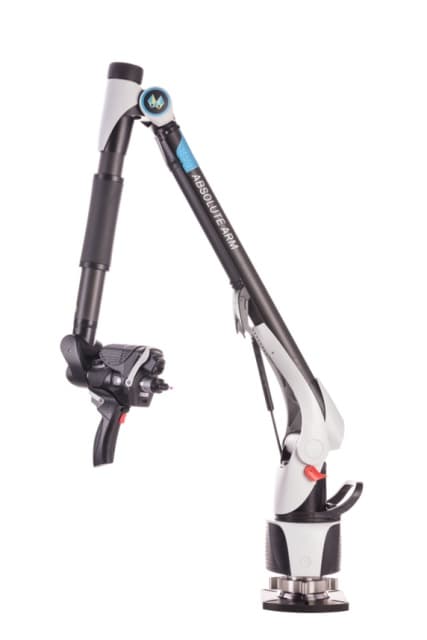
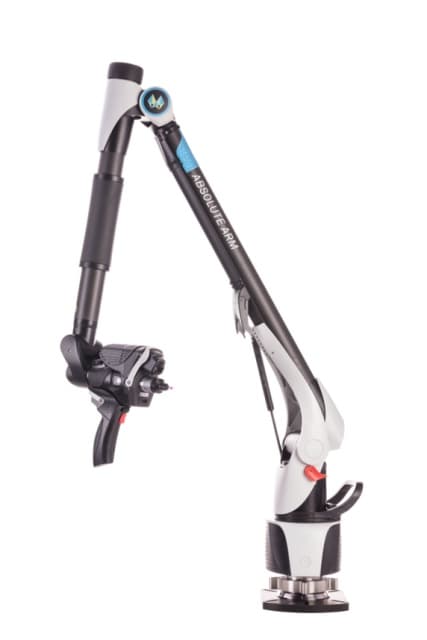
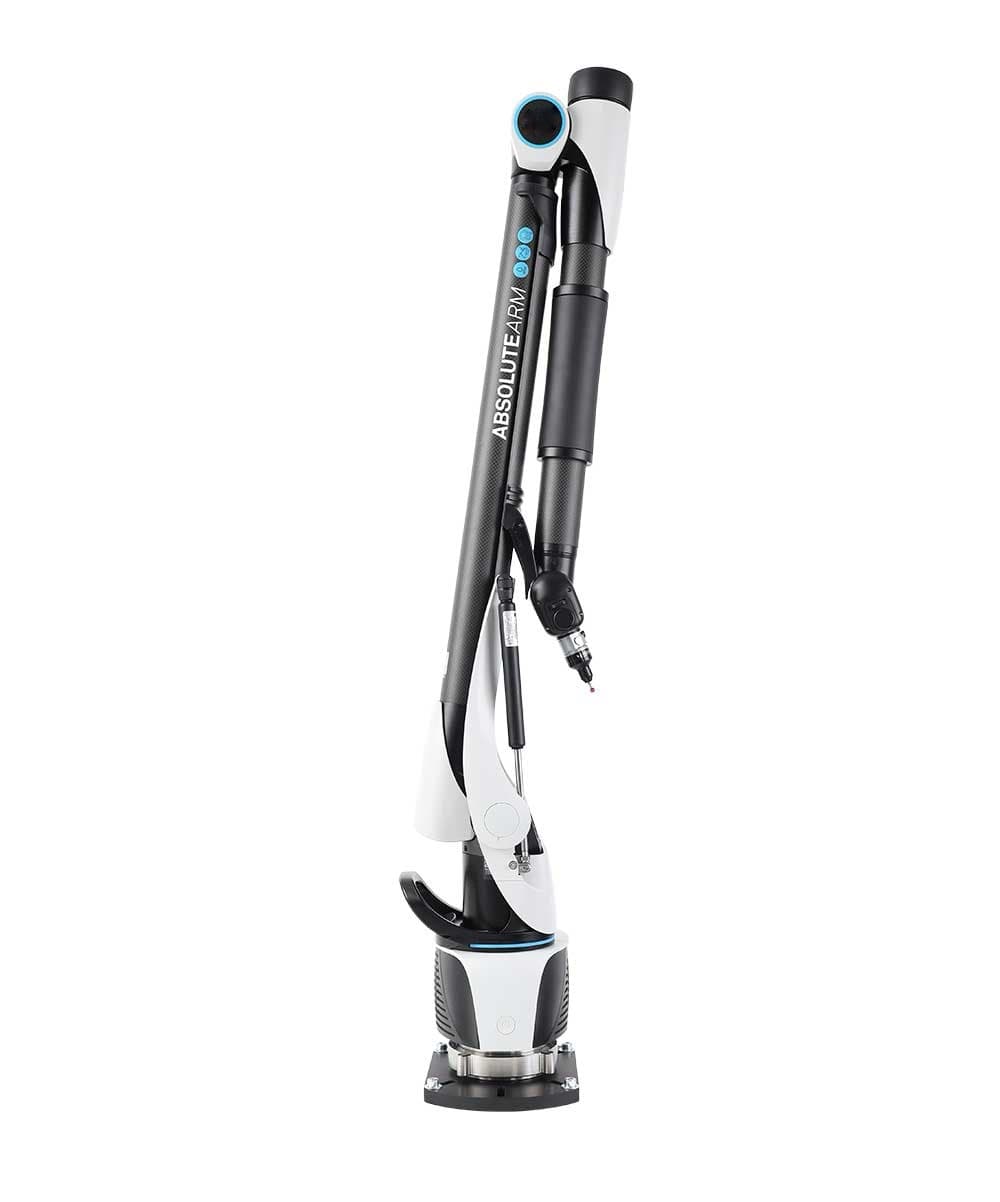
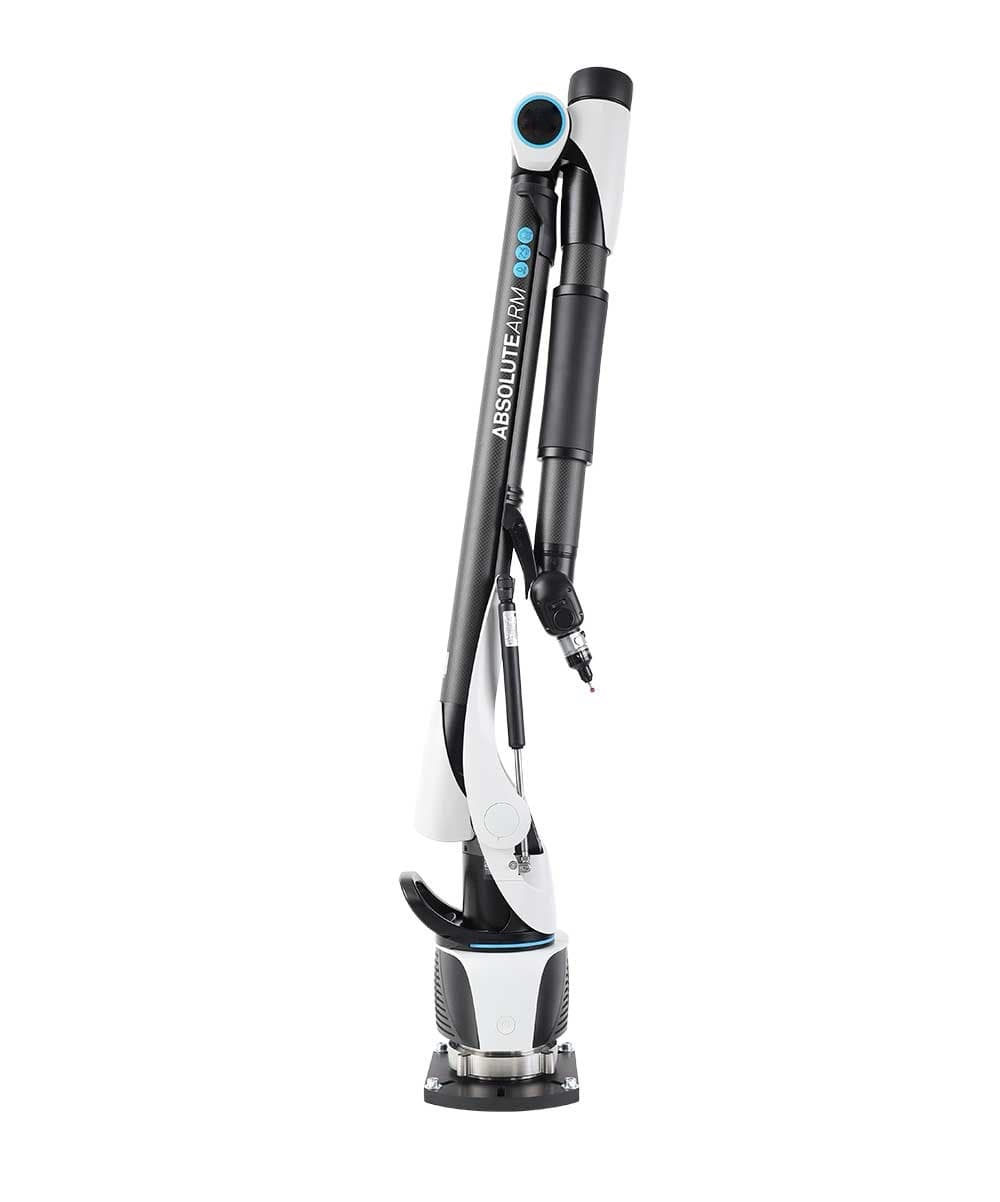
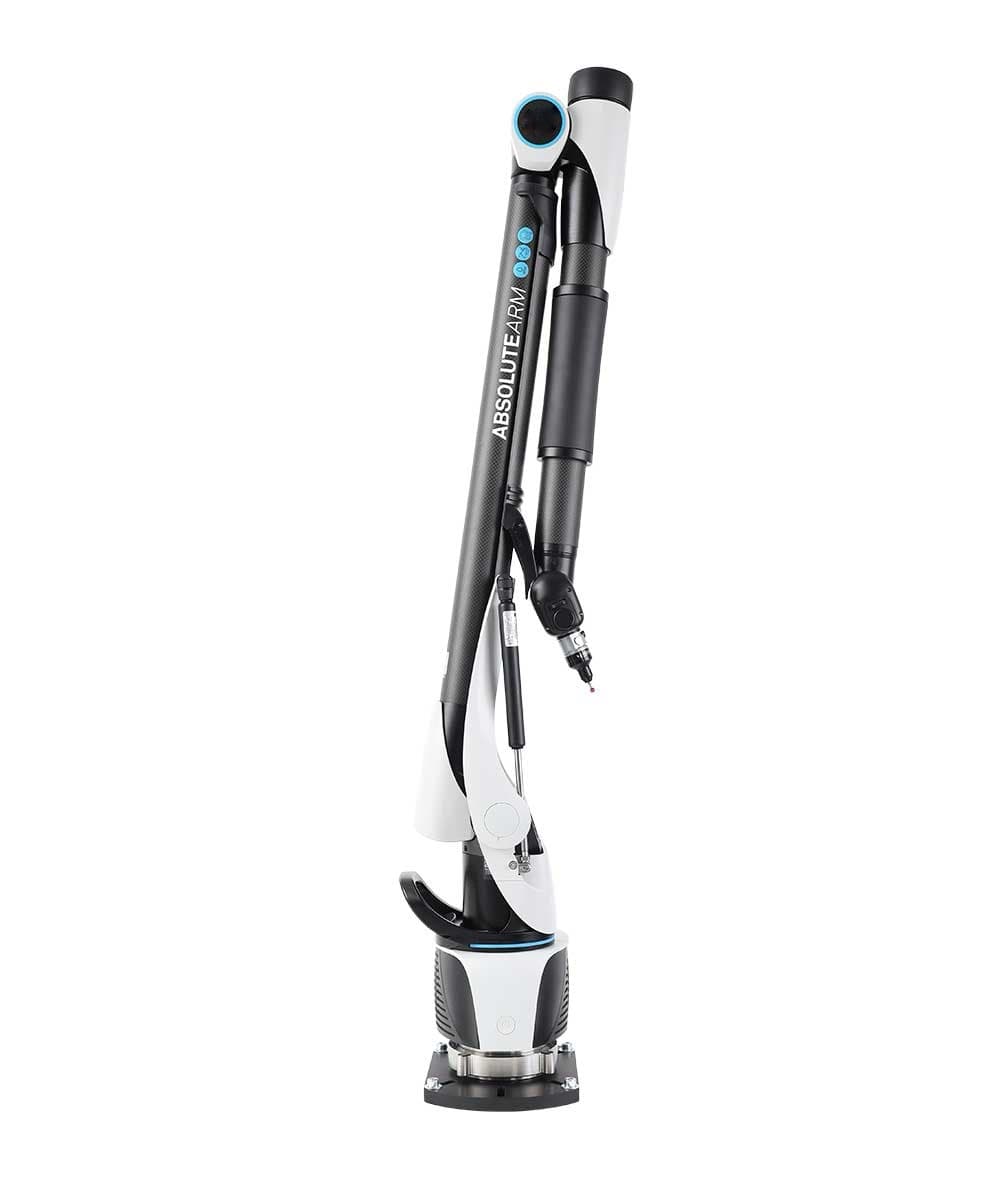
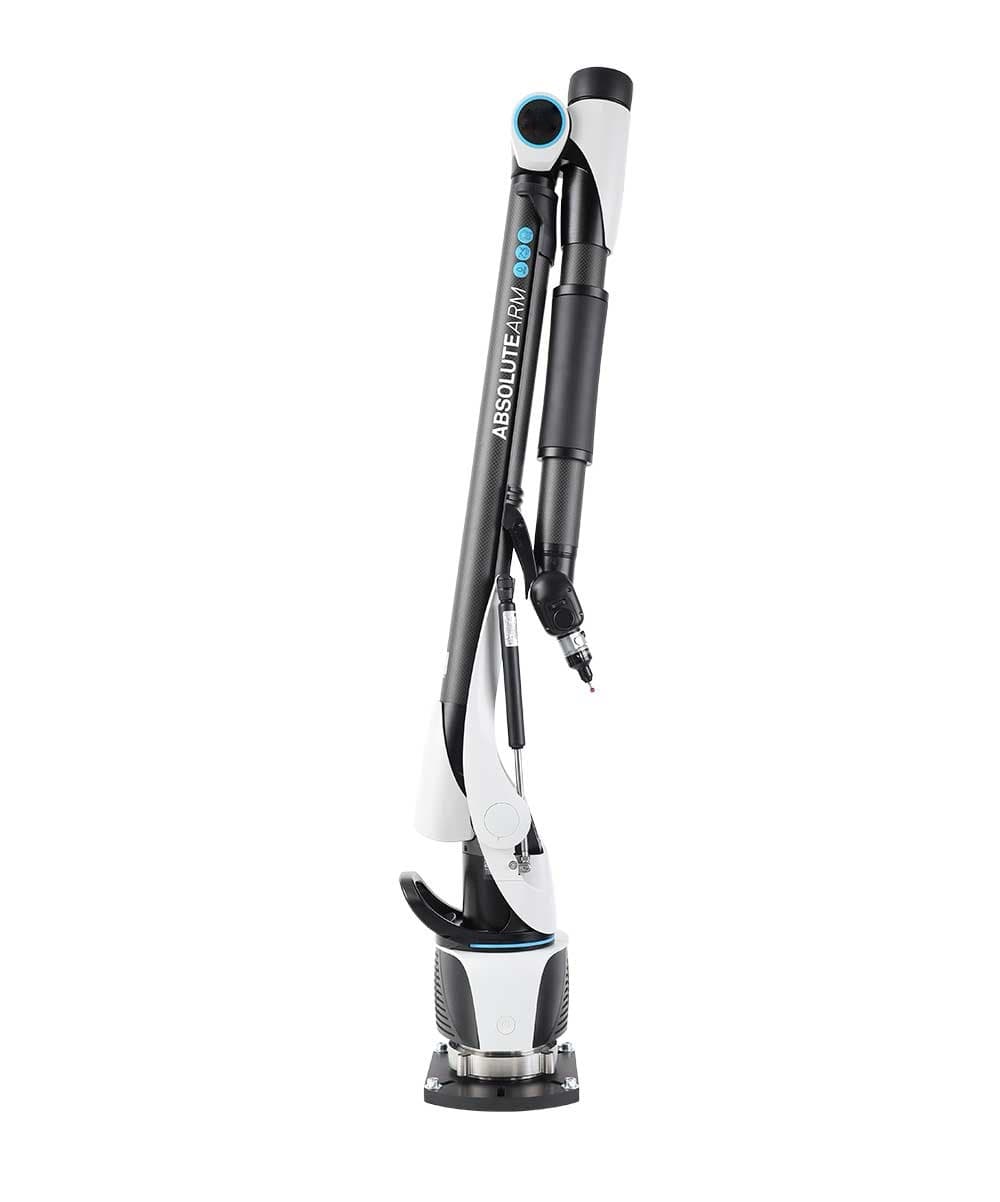
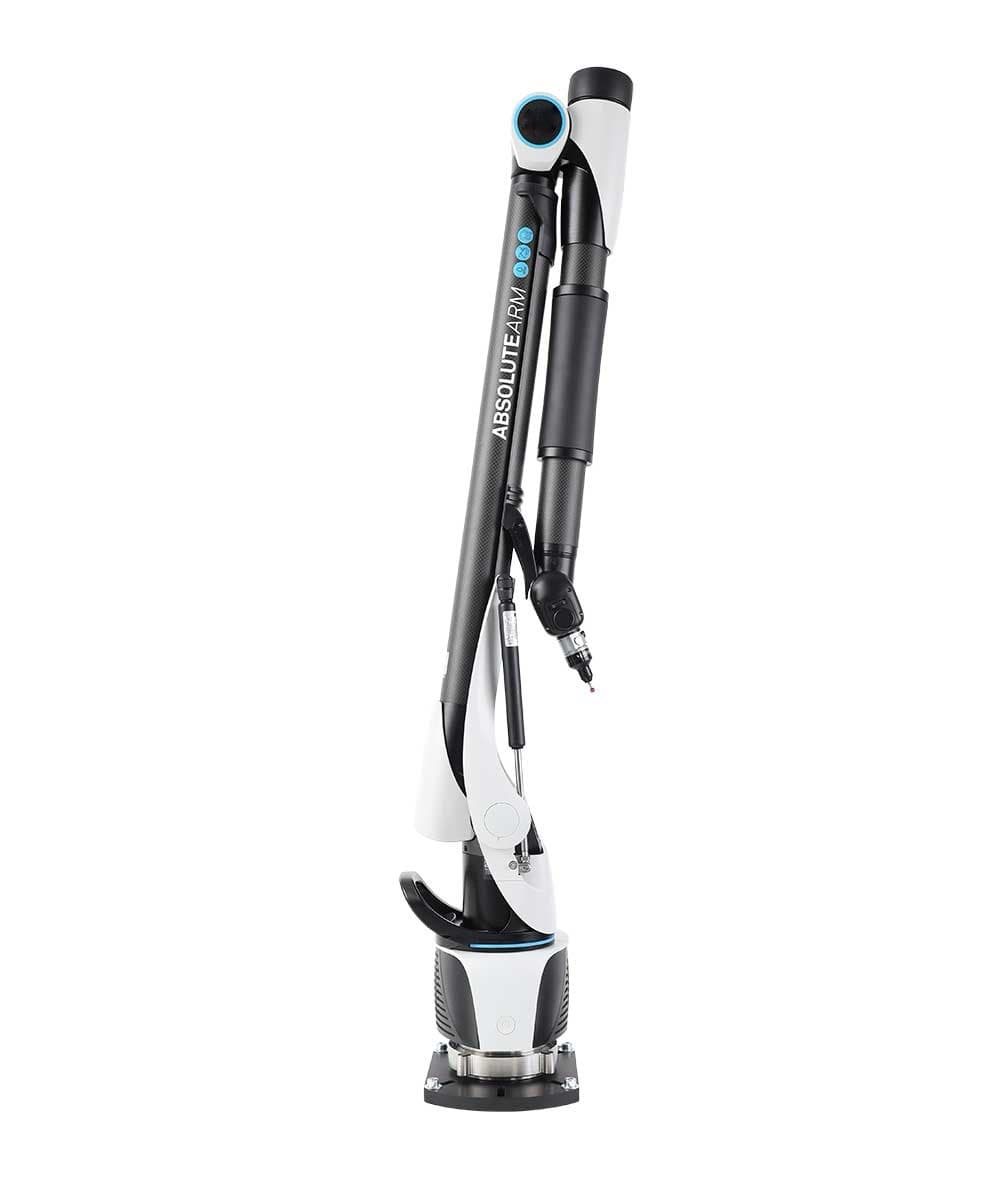
A portable CMM is a coordinate measuring device designed to perform precise measurements directly on the shop floor. Unlike traditional fixed systems, portable units can be moved to the part being inspected. Most portable systems are articulated arms that allow the probe to reach different points in three-dimensional space. This mobility makes them useful for measuring large or installed components.

How accurate is a portable CMM?

Portable CMM systems typically provide accuracy between about ±0.02 mm and ±0.1 mm depending on the arm length and configuration. Shorter measurement arms usually achieve higher precision because mechanical deflection is reduced. Accuracy also depends on calibration, operator technique, and environmental conditions. These systems are designed to balance measurement precision with flexibility in industrial environments.

What can a portable CMM measure?

A portable CMM can measure dimensions, distances, angles, diameters, and geometric tolerances. The probe touches specific points on a part to determine their exact spatial coordinates. These measurements allow engineers to verify whether components match their design specifications. With scanning attachments, the system can also capture surface geometry.

How does a portable CMM work?

A portable CMM works by tracking the position of a probe through a series of articulated joints. Sensors inside each joint measure angles and calculate the exact position of the probe in three-dimensional space. When the probe touches a point on a surface, the system records its coordinates. Software then compares the measured data with CAD models or engineering drawings.

What industries use portable CMM systems?

Portable CMM systems are widely used in aerospace, automotive, heavy machinery, and manufacturing industries. Engineers use them to inspect large components that cannot easily be moved to a laboratory. Maintenance teams also rely on them to verify alignment and geometry during equipment installation. Their mobility makes them valuable for on-site quality control.

What is the difference between a portable CMM and a traditional CMM?

The main difference is mobility and measurement environment. Traditional CMM systems are installed in controlled laboratory environments and offer extremely high precision. Portable systems are designed to operate directly in production areas or workshops. While they may have slightly lower accuracy, they provide far greater flexibility.

What software is used with portable CMM systems?

Portable CMM devices rely on metrology software to guide measurements and analyze results. The software allows operators to compare measured data with CAD models and evaluate geometric tolerances. It can also generate inspection reports and visualize deviations. Many systems support both point measurements and scanning workflows.

What should I consider when choosing a portable CMM?

The most important factors are arm length, measurement accuracy, and portability. Longer arms allow measurement of larger parts but may reduce precision slightly. It is also important to evaluate compatibility with inspection software and scanning capabilities. The right system depends on the size of the components and the required measurement accuracy.