GNSS and GPS Systems - Professional
Surveying Solutions
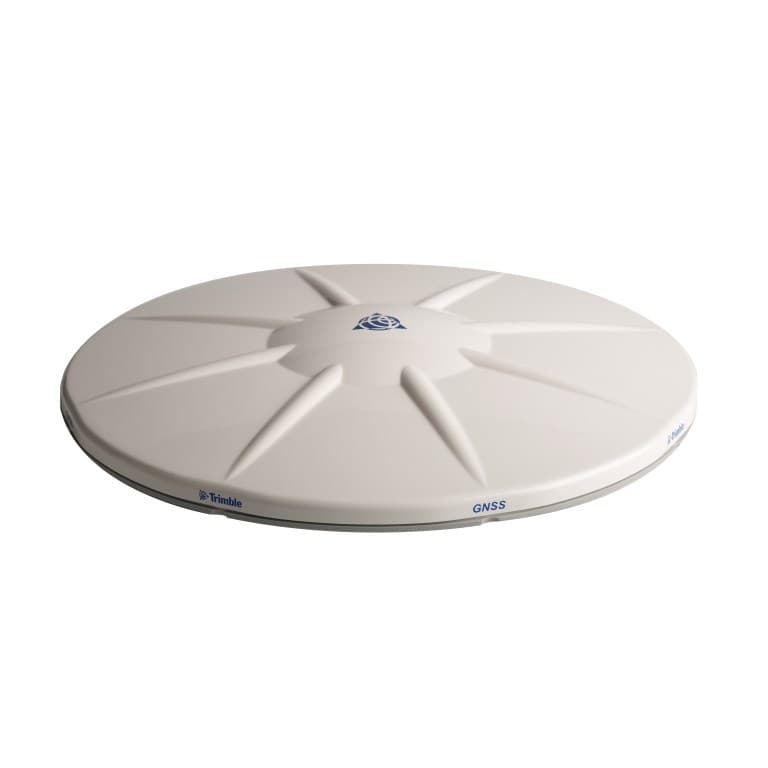
GNSS and GPS systems are satellite-based positioning instruments that calculate precise
geographic coordinates by processing signals from multiple global constellations. Modern
survey-grade receivers utilize Real-Time Kinematic (RTK) technology to achieve
centimetre-level accuracy for topographic mapping, boundary surveys, and construction site
control. By integrating multi-frequency tracking, these systems provide rapid positioning
solutions even in environments with partial sky obstructions.
Key Features & Specifications
● Constellation support: GPS, GLONASS, Galileo, and BeiDou — quad-constellation
tracking ensures maximum satellite availability and stronger geometry on obstructed
sites.
● RTK horizontal accuracy: $\pm 8~mm + 1$ ppm — provides high-precision
coordinates for engineering and geodetic control networks.
● Tracking channels: 800+ channels — offers signal redundancy and rapid
initialisation times for improved field productivity.
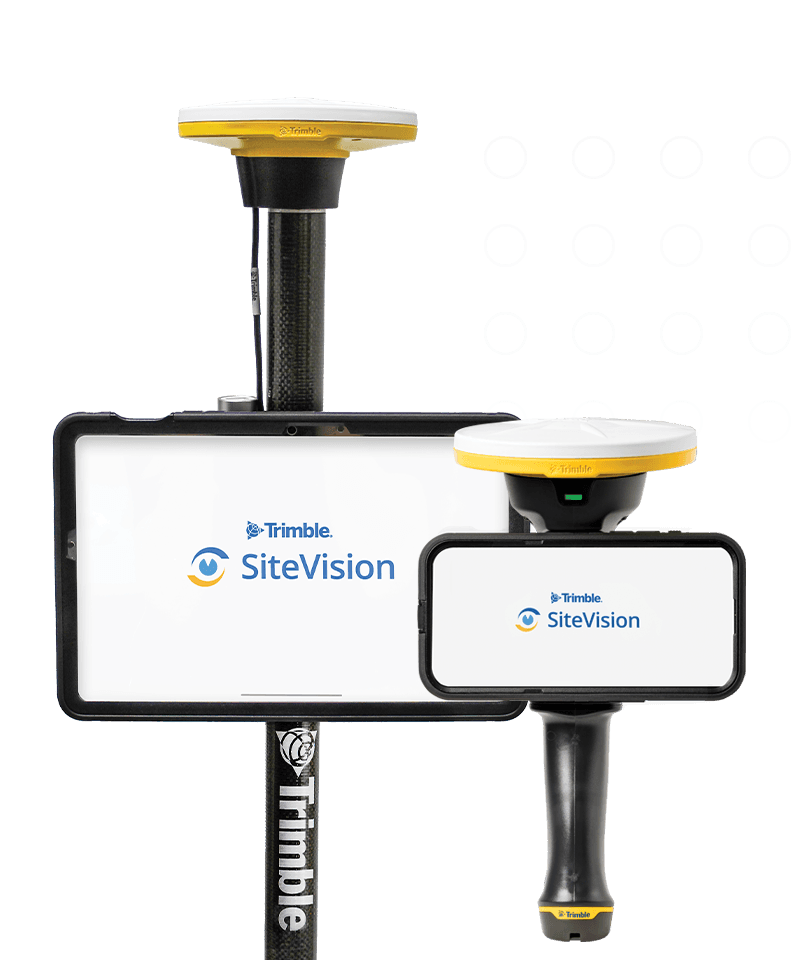
● Tilt compensation: IMU-based, up to 60 degrees — allows the survey gps
systems to record accurate points without precisely levelling the range pole.
● Data link options: Internal UHF radio and 4G/LTE modem — supports versatile
corrections via local base stations or NTRIP CORS networks.
● Environmental protection: IP67 to IP68 rating — ensures the gps system is fully
dustproof and capable of temporary submersion in water.
● Initialisation time: Less than 10 seconds — enables surveyors to begin collecting
high-accuracy data almost immediately after powering the unit.
How to Choose the Right GNSS & GPS Systems
Selecting a professional rtk gnss system requires matching the receiver's sensor
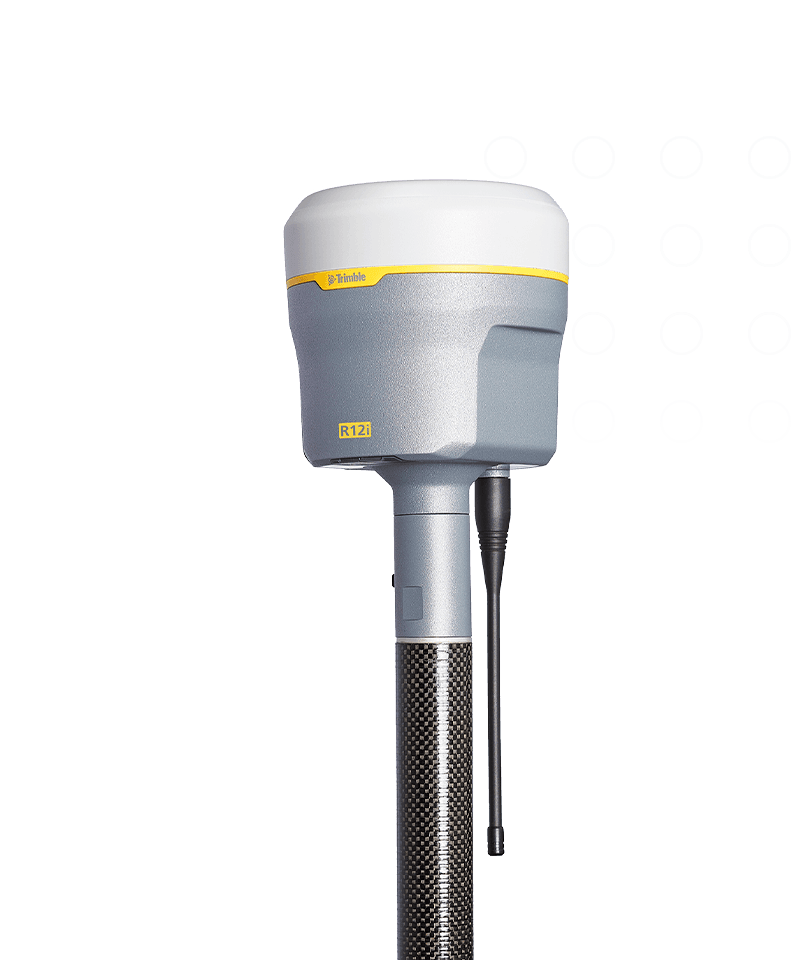
capabilities to the specific vegetation and terrain conditions of the project area. The Trimble
R12i is a premier option for surveyors working in challenging environments where superior
signal rejection and advanced tilt compensation are necessary. For projects requiring high
portability and entry-level RTK performance, the Emlid Reach RX provides a cost-effective
solution for CORS-based workflows. When comparing gnss systems, procurement
managers should evaluate whether the internal radio range and battery life meet the
requirements of long-range remote site work.