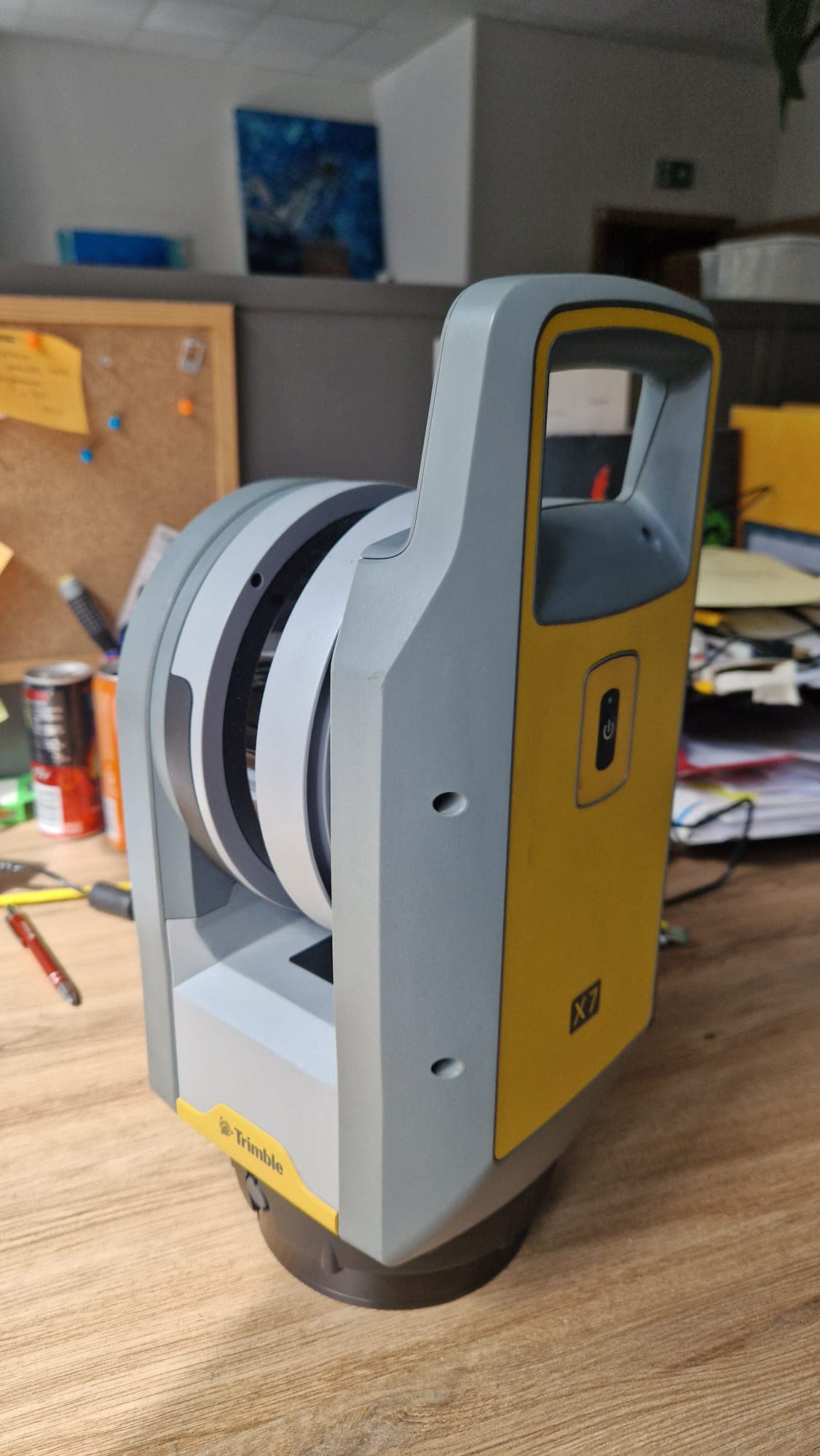
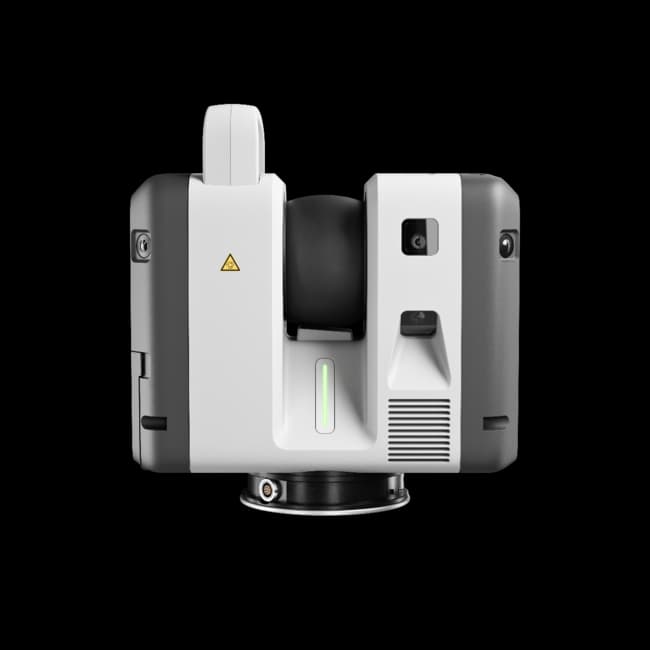
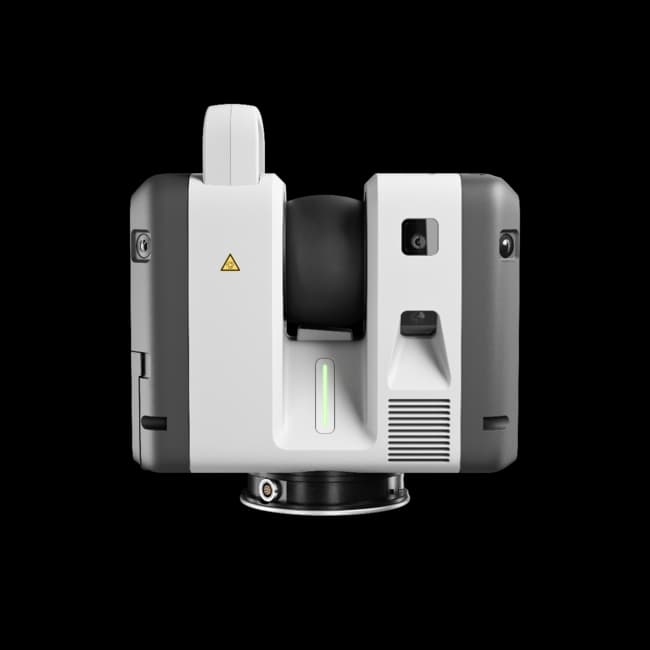
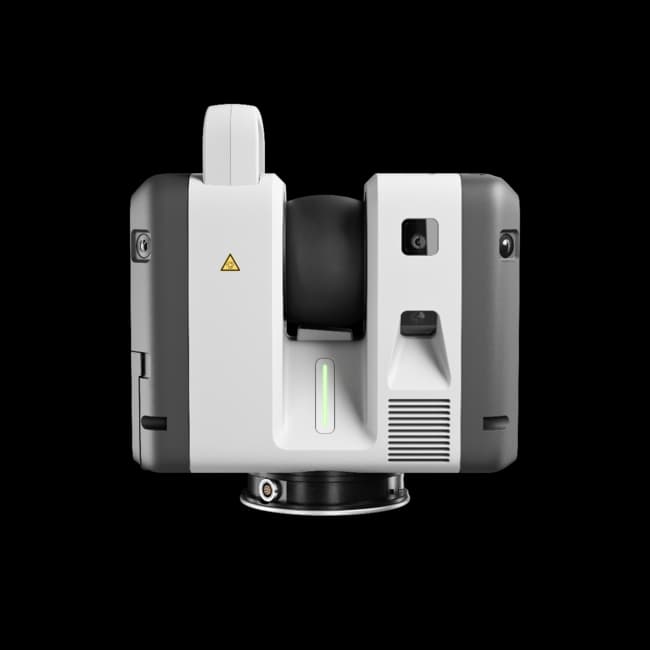
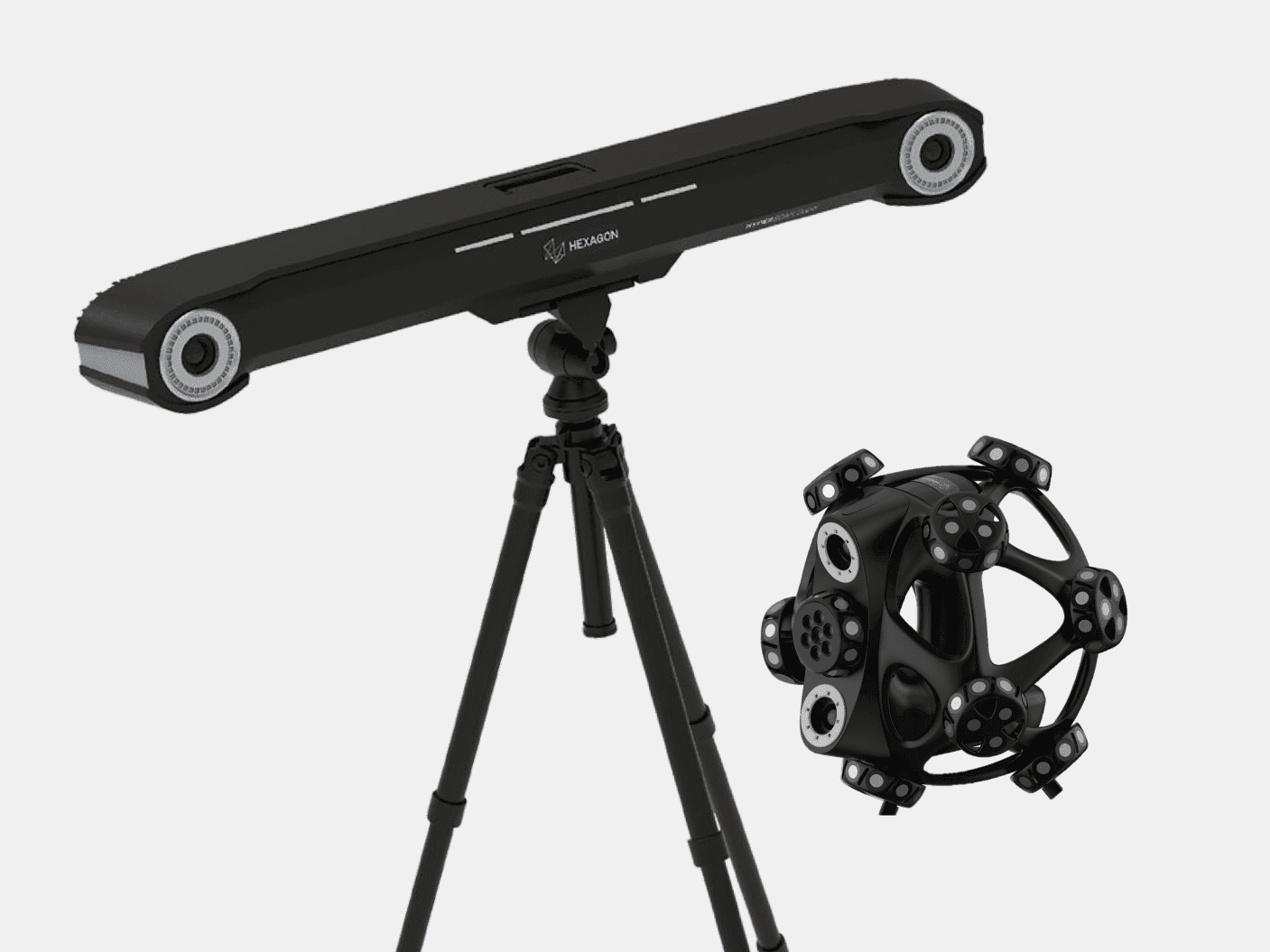
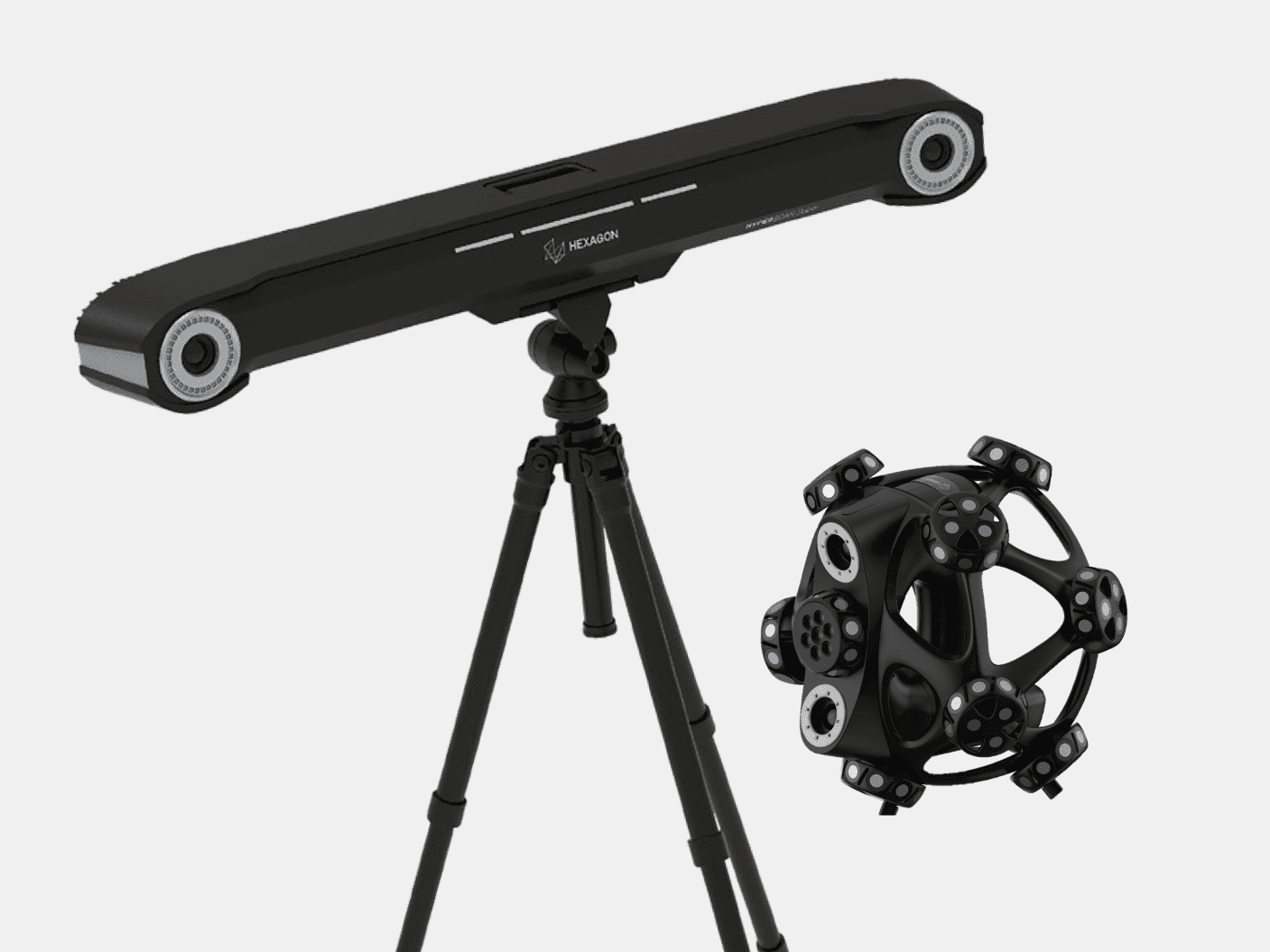
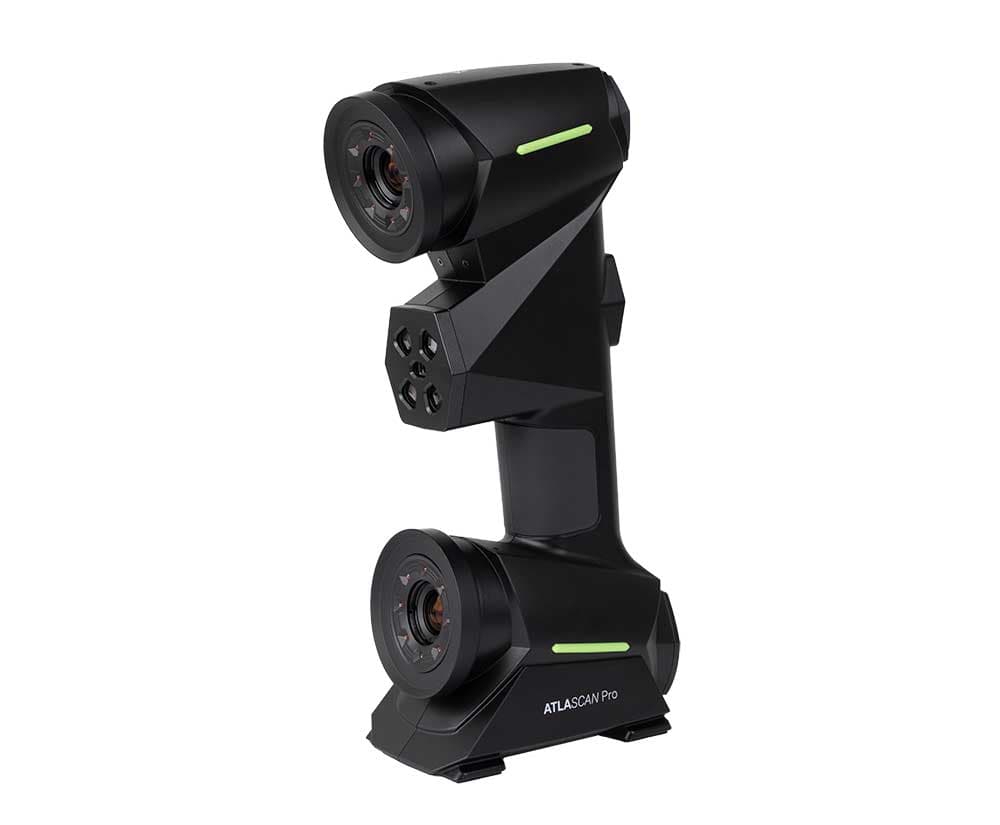
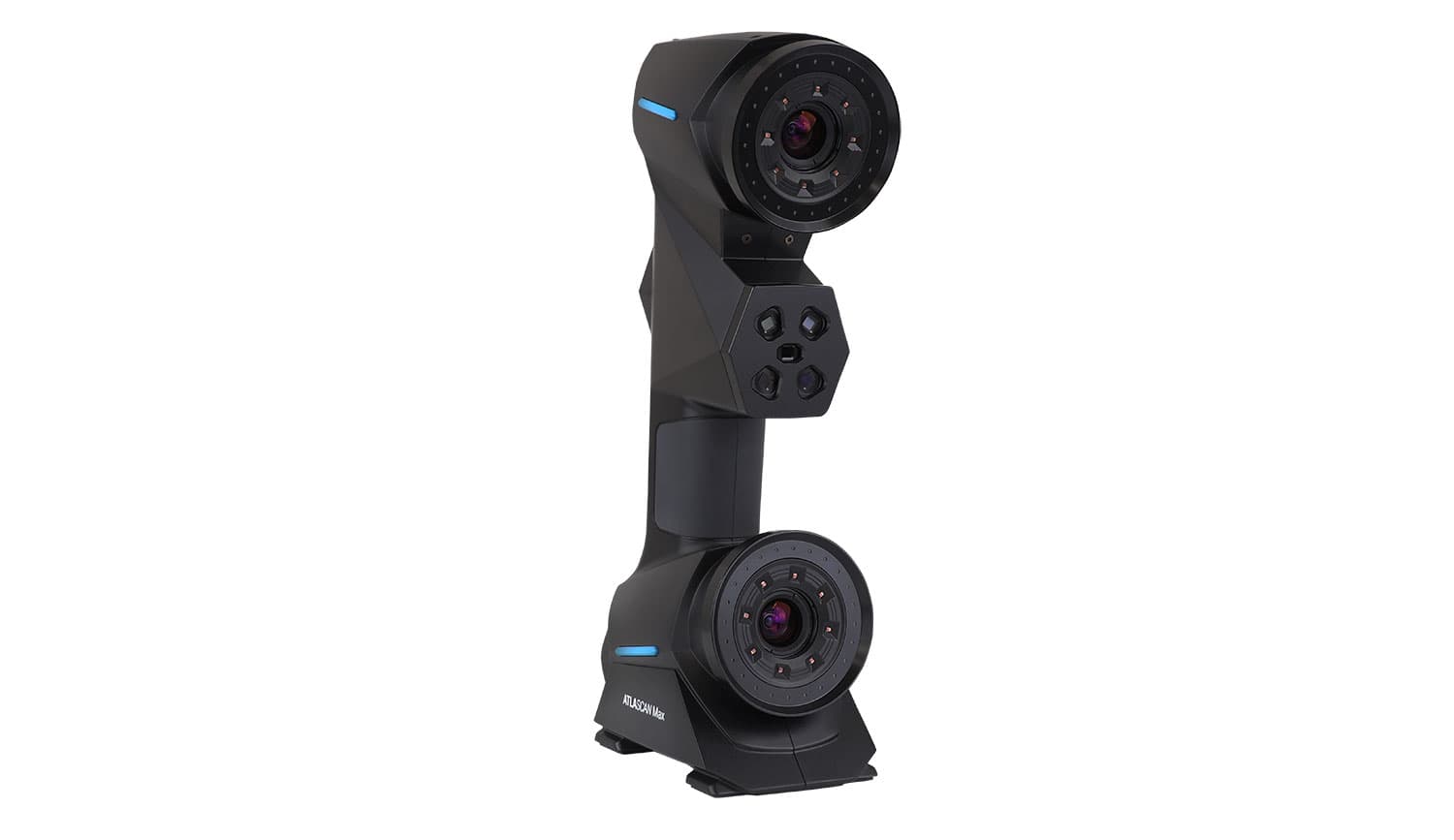
3D Laser Scanners

Sort By:
Newest Listing
Can’t find what you are looking for?

3D Laser Scanners

What is a 3D laser scanner used for?

A 3D laser scanner is used to capture the precise geometry of large environments and objects. The device emits a laser beam and measures the distance to surrounding surfaces to generate millions of spatial points. These points form a dense point cloud that represents the scanned area. The technology is commonly used for building documentation, industrial facilities, infrastructure projects, and digital twin creation.

How accurate is a 3D laser scanner?

Modern terrestrial laser scanners typically provide accuracy between ±1 mm and ±5 mm depending on the model and scanning distance. Accuracy is influenced by environmental conditions, calibration, and the distance between the scanner and the object. Shorter distances generally produce more precise results. High-end scanners used in engineering and industrial environments often deliver sub-millimeter precision within controlled ranges.

What is the difference between LiDAR and a 3D laser scanner?

LiDAR is the measurement technology used inside many 3D laser scanners. LiDAR systems determine distances by emitting laser pulses and measuring how long it takes for the light to return. A 3D laser scanner is the complete instrument that includes LiDAR sensors, positioning systems, and software for capturing spatial data. The result is a highly detailed point cloud of the scanned environment.

How far can a 3D laser scanner scan?

Most terrestrial laser scanners can measure distances from 50 meters up to 300 meters or more. Long-range scanners designed for large infrastructure or mining applications can exceed 500 meters. However, accuracy typically decreases as scanning distance increases. For detailed documentation of buildings or industrial plants, scanners are usually positioned at multiple locations.

What industries use 3D laser scanning?

3D laser scanning is widely used in construction, architecture, engineering, and industrial maintenance. Engineers use it to document existing conditions before renovation or infrastructure upgrades. Architects rely on it to produce accurate building models and floor plans. Industrial companies often use scanning to create digital twins of factories and equipment.

What is a point cloud in laser scanning?

A point cloud is a collection of millions or billions of spatial points generated by a scanning device. Each point contains coordinates that represent the exact position of a surface in three-dimensional space. When combined, these points form a digital representation of the scanned environment. Point clouds can later be converted into 3D models, BIM objects, or engineering drawings.

How long does a typical laser scan take?

A single laser scan usually takes between 30 seconds and several minutes depending on resolution settings. Higher resolution scans capture more detail but require more time and produce larger datasets. Multiple scans are typically combined to cover an entire building or industrial site. The total project time depends on the size and complexity of the area being documented.

What should I consider when choosing a 3D laser scanner?

The most important factors are range, accuracy, scanning speed, and portability. Different scanners are designed for different environments such as construction sites, indoor facilities, or large infrastructure projects. It is also important to evaluate data processing workflows and compatibility with modelling software. The best solution depends on the scale and precision required for your projects.

3D Laser Scanners - Professional

Surveying Solutions

A 3D laser scanner is a high-speed geodetic instrument that uses Light Detection and

Ranging (LiDAR) technology to capture millions of precise spatial points per second. These

terrestrial systems create a digital twin of physical structures by emitting laser pulses and

measuring the time-of-flight or phase-shift to every surface within their field of view. By

generating dense, accurate point clouds, these instruments enable surveyors to conduct

complex as-built verification and structural monitoring with millimetre-level precision.


Key Features & Specifications


Scan speed: 500,000 to 2,000,000 points per second — allows for the rapid digital

documentation of large-scale industrial sites and heritage buildings.

Operating range: 0.5 m to 350 m — supports both interior architectural mapping and

long-range topographical surveys on infrastructure projects.

Range accuracy: $\pm 1~mm$ to $\pm 3~mm$ at 50 m — provides the high-order

precision required for engineering clash detection and BIM modelling.

Field of view: 360 degrees horizontal by 300 degrees vertical — ensures full-dome

coverage from a single tripod setup for complete spatial data acquisition.

Internal sensors: HDR camera and dual-axis compensator — capture

high-resolution colour imagery for point cloud colourization and ensure vertical

alignment.

Registration technology: Visual Inertial System (VIS) — enables automatic

targetless registration of multiple scans in the field, reducing office processing time.

Ingress protection: IP54 to IP55 — protects the sensitive laser and optical

components during operation in dusty or damp construction environments.


How to Choose the Right 3D Laser Scanners


When selecting a 3D laser scanner surveying system, engineers must evaluate the

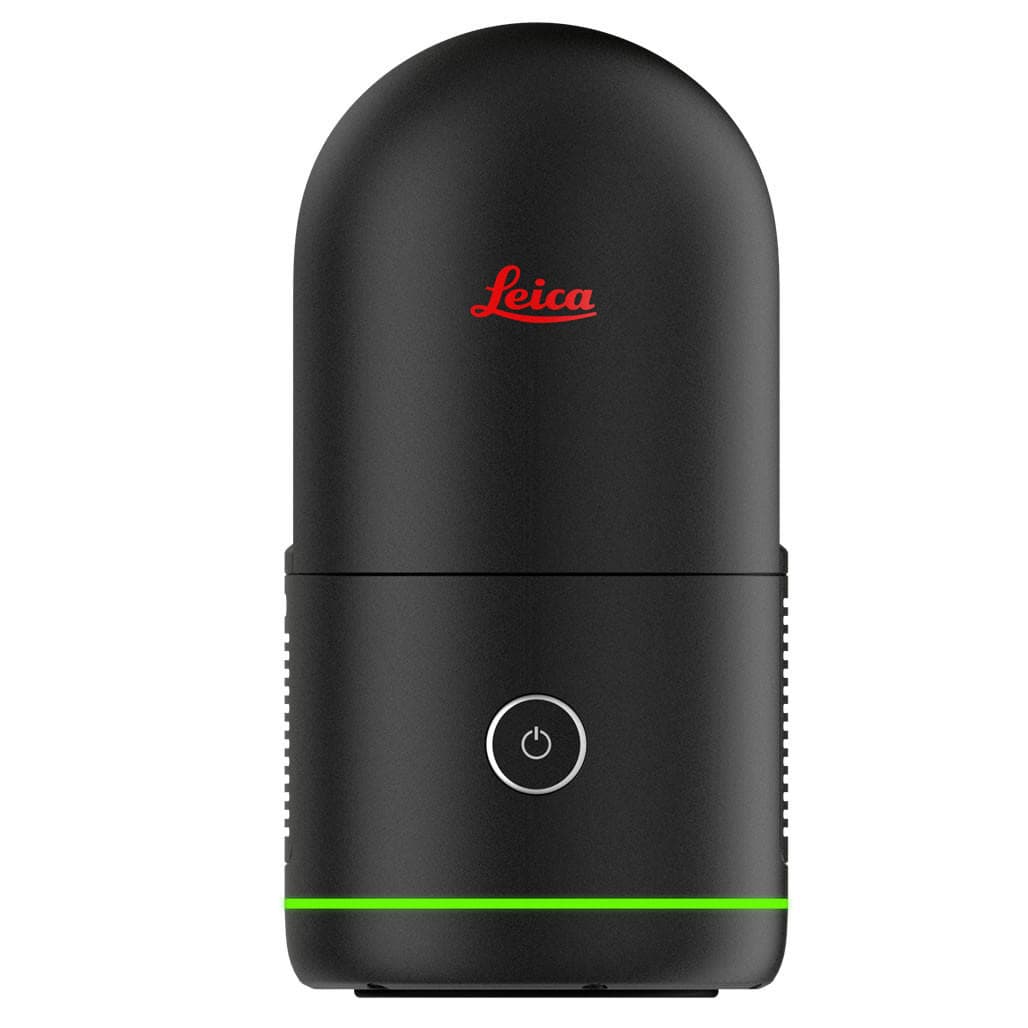
trade-off between portability, scan speed, and maximum range. The Leica RTC360 is an

industry-standard choice for high-speed building documentation, featuring automated field

registration and a scan time of less than two minutes per station. For large-scale civil

engineering projects requiring extreme range and high-point density, the Riegl VZ-400i

offers superior distance performance and vertical accuracy. If you are comparing 3D laser

scanner price points, consider the software ecosystem and the total time required for data

processing, as automated registration features significantly reduce long-term labor costs.