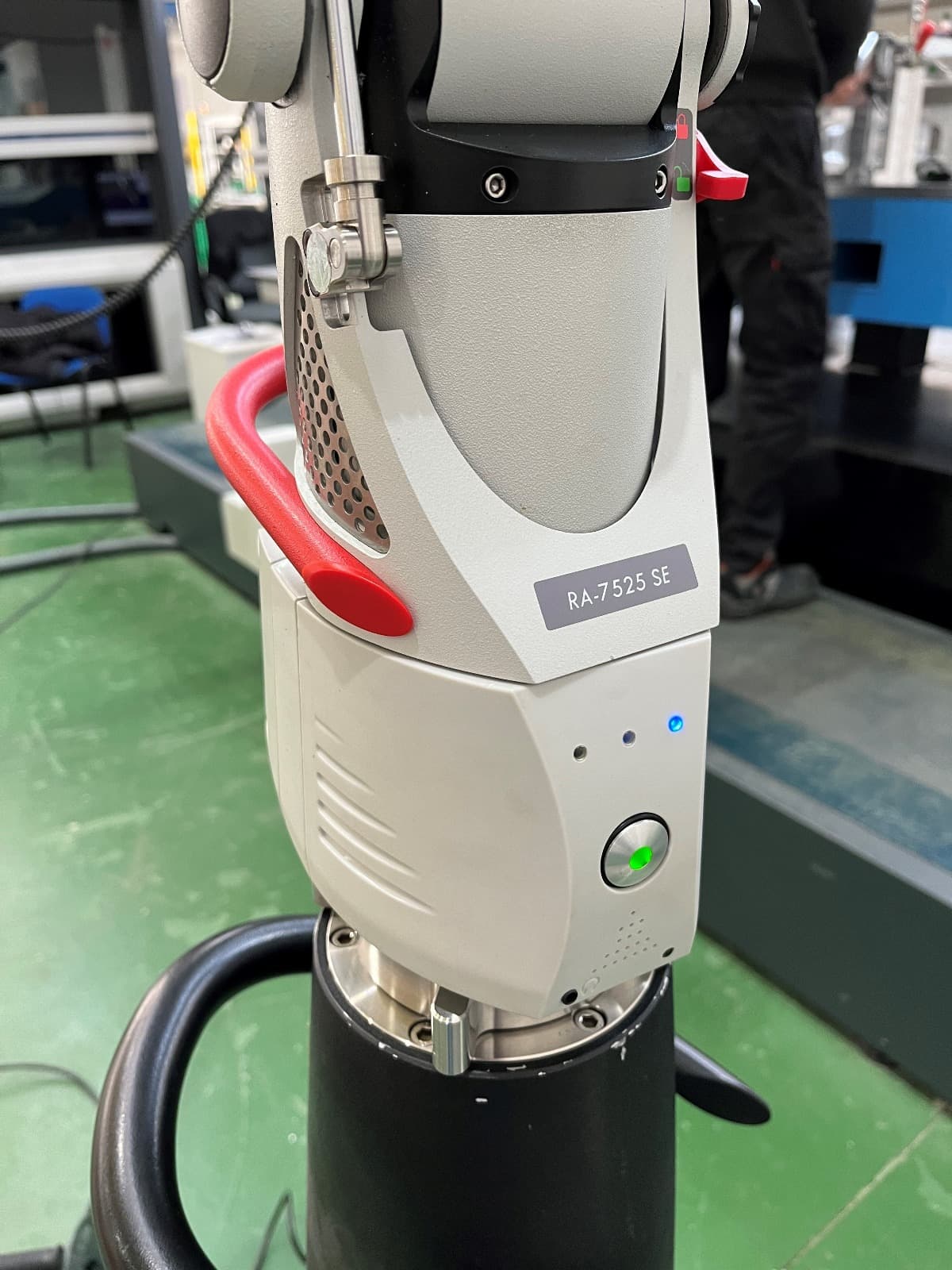
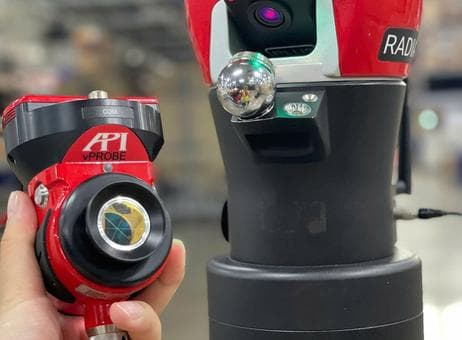
Laser Trackers - High-Precision Industrial Measurement
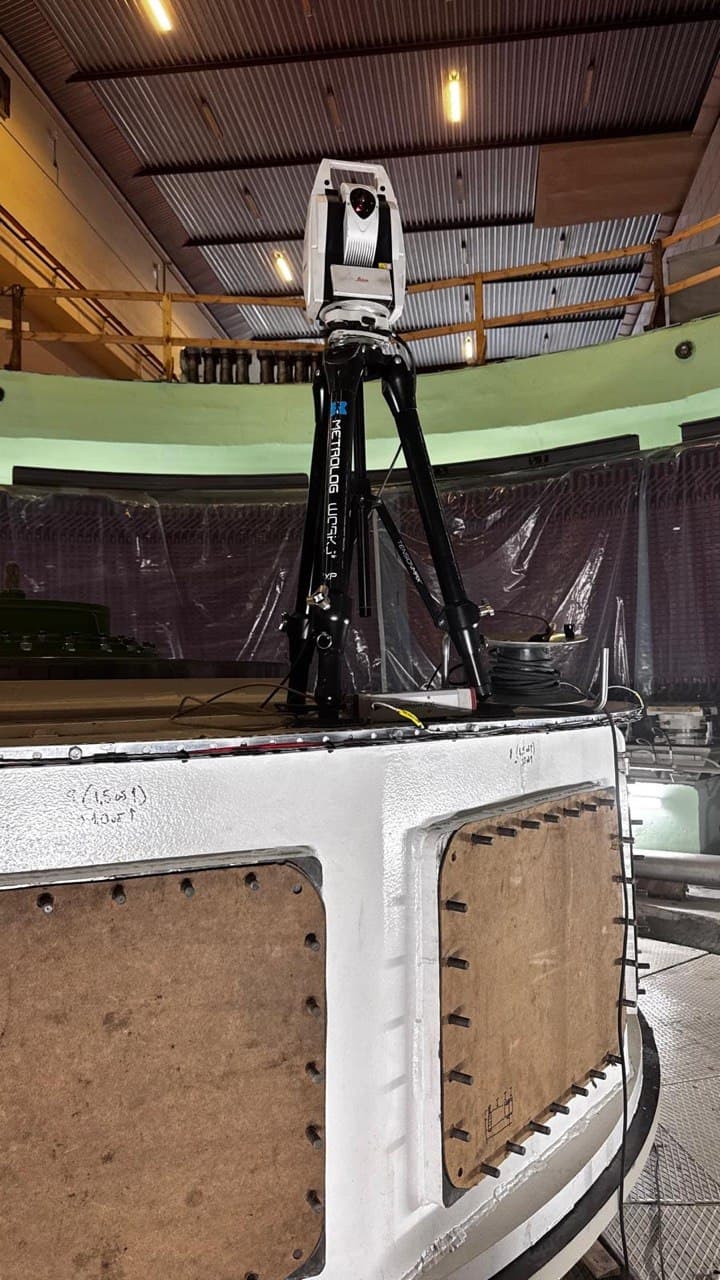
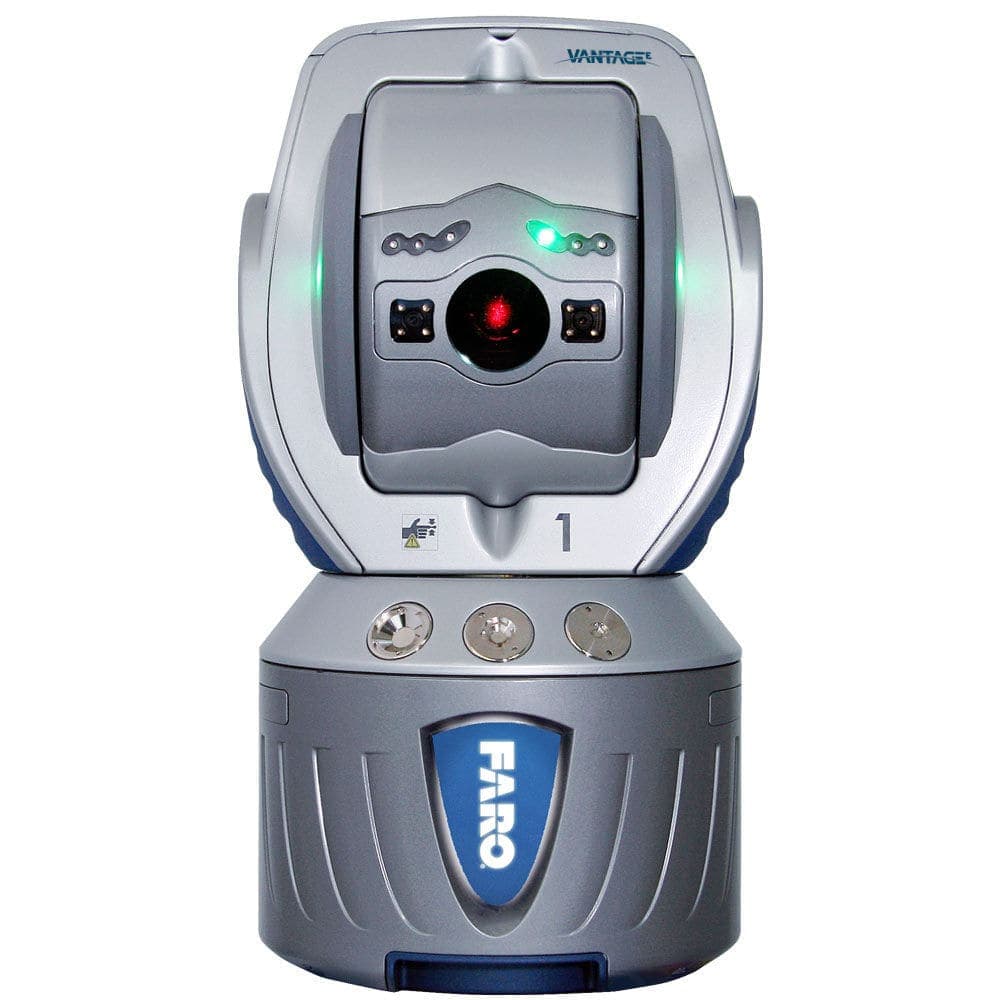
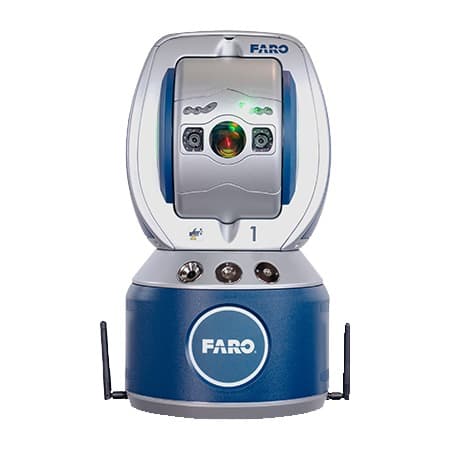
A laser tracker is a portable coordinate measuring machine that uses a laser beam to accurately measure the position of a target in 3D space. These systems provide a critical technical advantage through their high-precision volumetric accuracy and massive working volumes, making them indispensable for large-scale industrial metrology. Aerospace and automotive manufacturers rely on the laser tracker for dynamic measurements, aircraft jig alignment, and the assembly of large-volume structures where traditional fixed CMMs cannot be utilized.
Key Features & Specifications
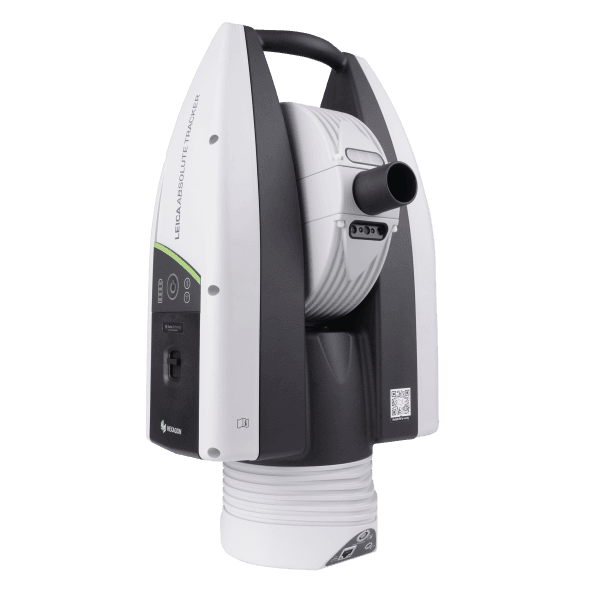
Volumetric accuracy (MPE): $\pm15~\mu m$ at 1.2 m and $\pm50~\mu m$ at 5 m for instruments in the Hexagon AT960 class.
Working range: Operational capabilities from 0.4 m to 160 m, depending on the specific model and the type of reflector used.
Distance measurement: Absolute Distance Measurement (ADM) with $\pm10~\mu m$ accuracy and Interferometer (IFM) modes reaching $\pm0.5~\mu m/m$.
Angular resolution: High-precision tracking with $\pm0.5$ arc-seconds on two axes.
Measurement rate: High-speed scanning capabilities reaching up to 3,000 points per second.
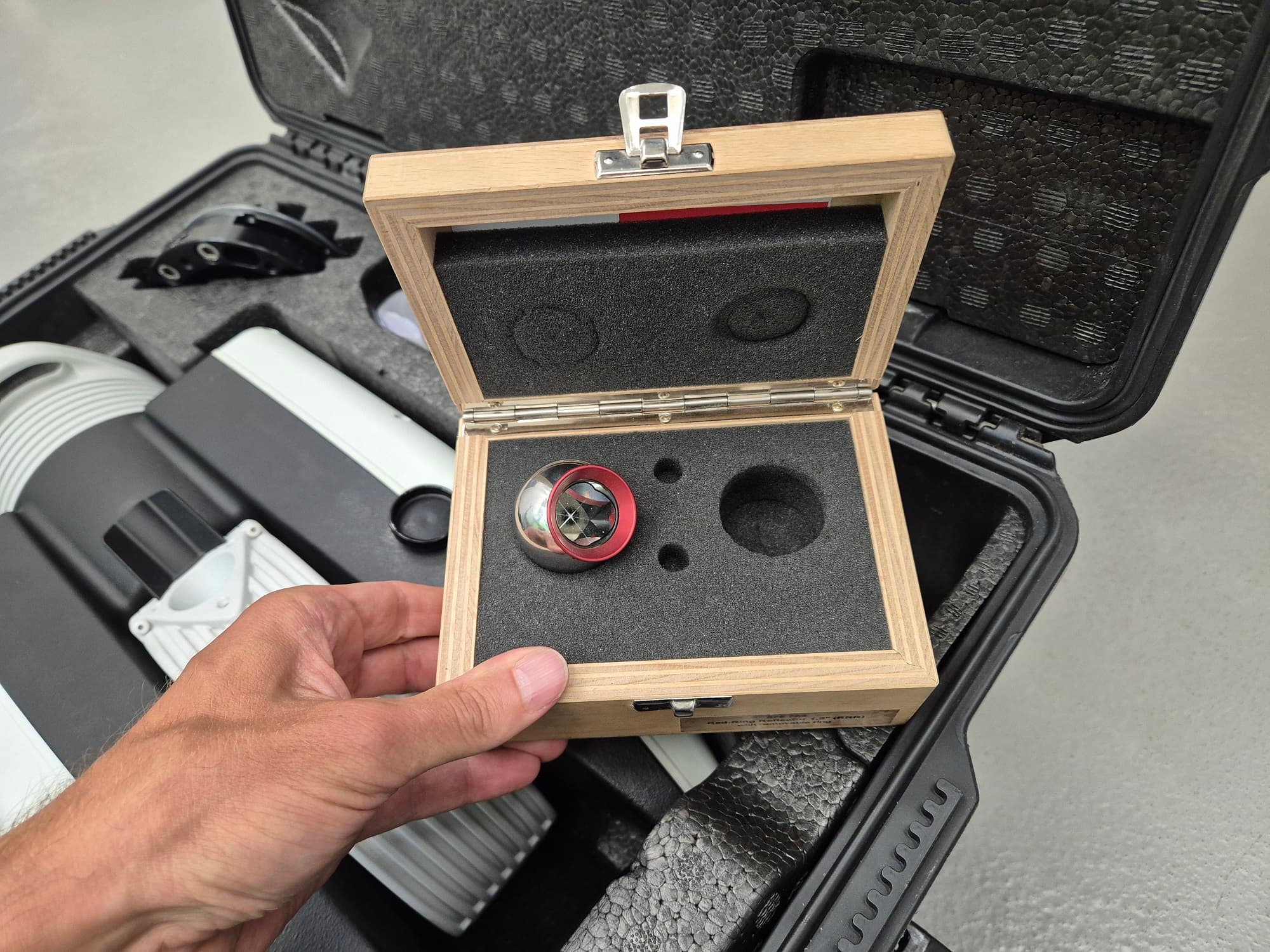
Targets: Support for Spherically Mounted Retroreflectors (SMR), open air targets, and retroreflective tape.
IP rating: IP52 protection level ensures the unit is shielded against limited dust and water splashes during shop-floor use.
How to Choose the Right Laser Tracker
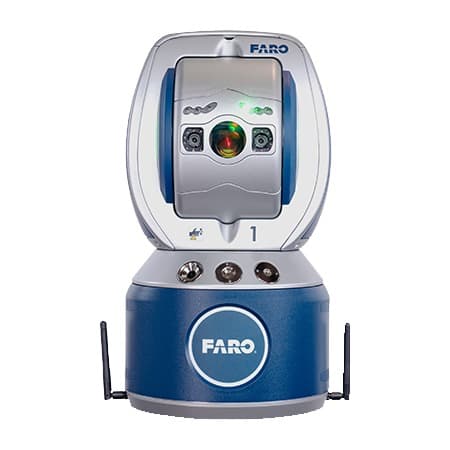
Matching a tracker to your specific measurement task requires evaluating the working volume and the trade-off between static probing accuracy and dynamic scanning speed. For high-precision aerospace alignment, the Leica AT960 is a standard choice due to its rapid six-degrees-of-freedom (6DoF) tracking, while the FARO Vantage provides excellent portability for site-wide plant maintenance. Proper selection must also include compatible metrology software to handle the complex GD&T analysis of the collected data.

.jpeg&w=3840&q=75)