Coordinate Measuring Machines (CMM)

Sort By:
Newest Listing
Can’t find what you are looking for?
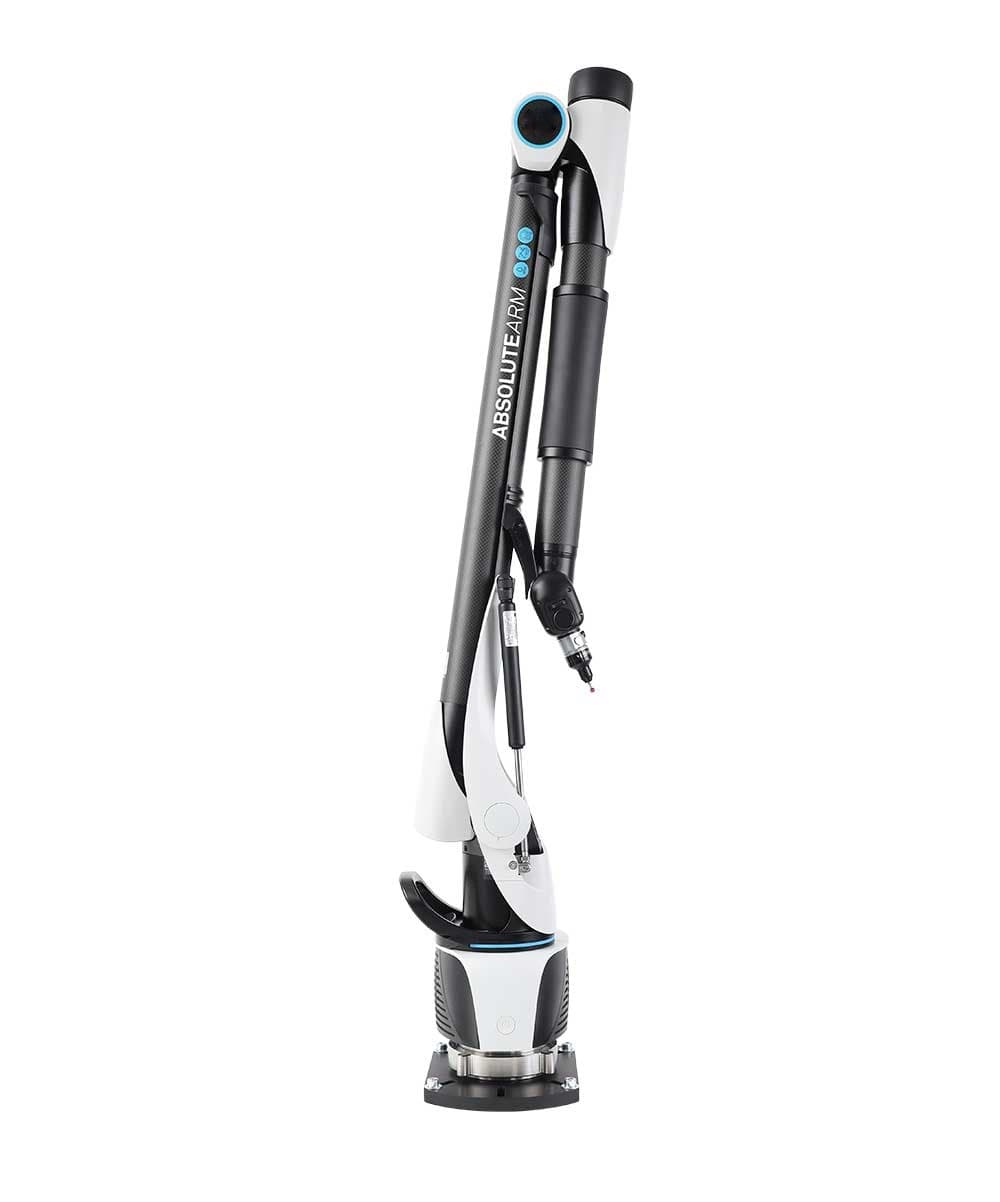
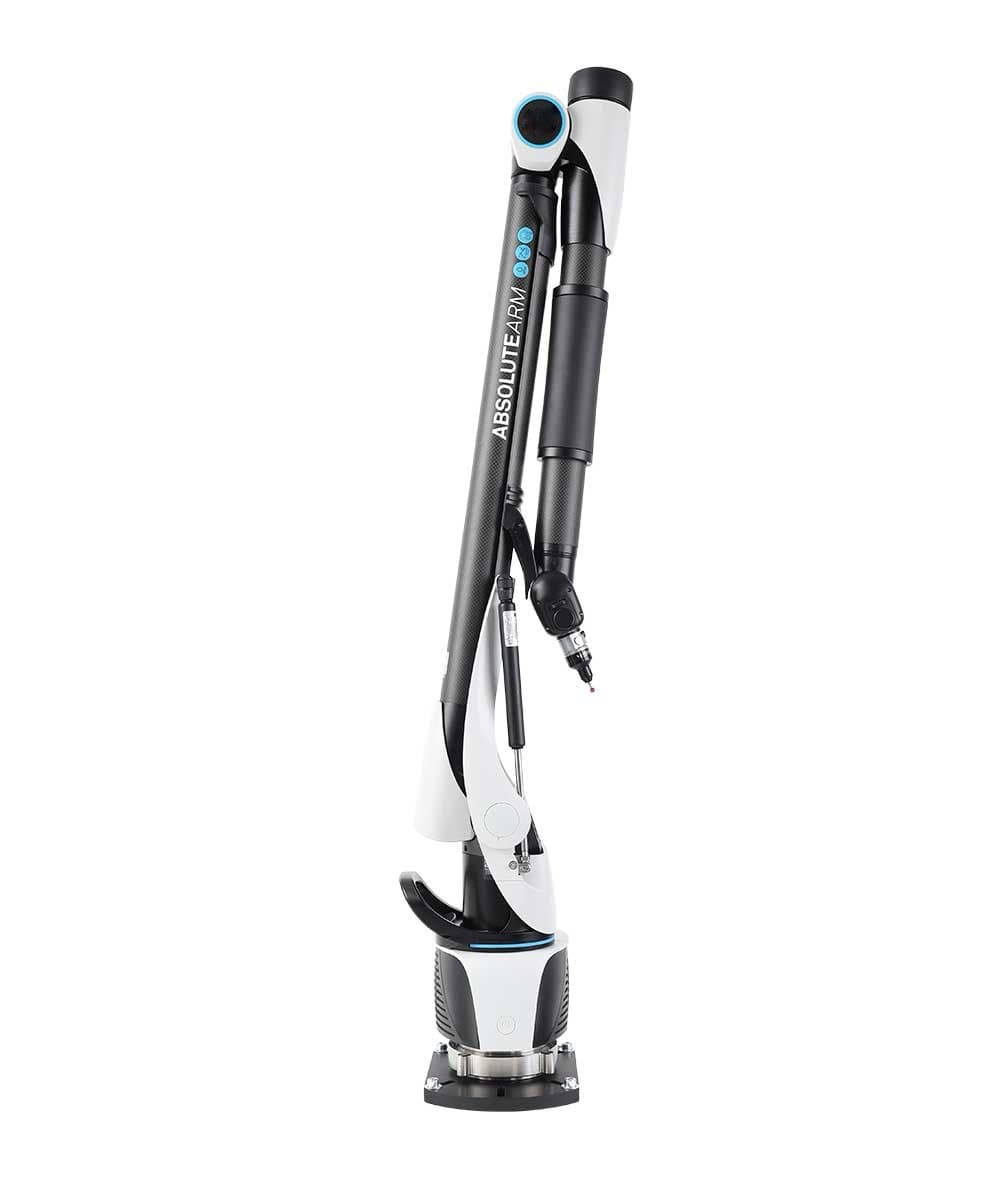
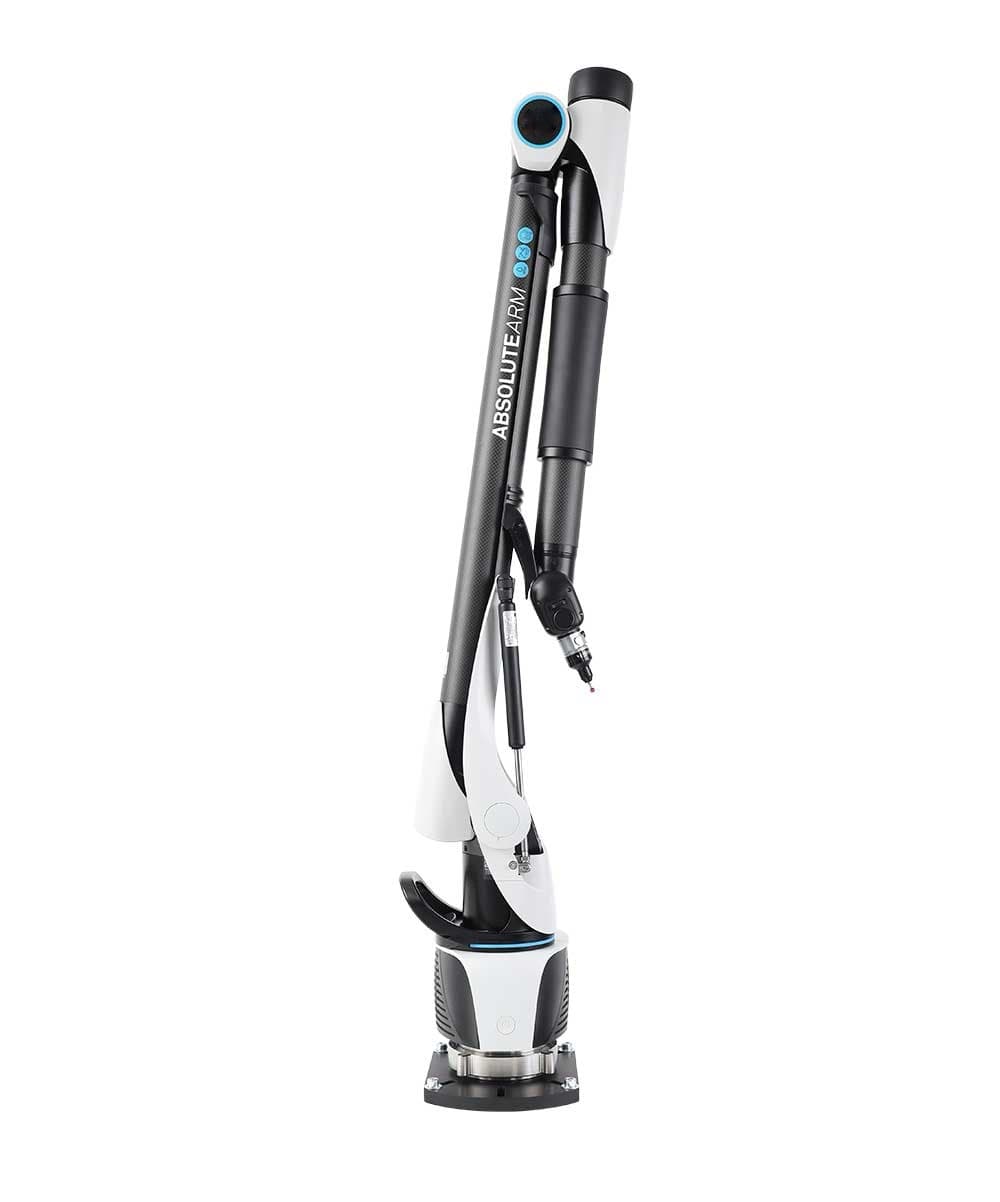
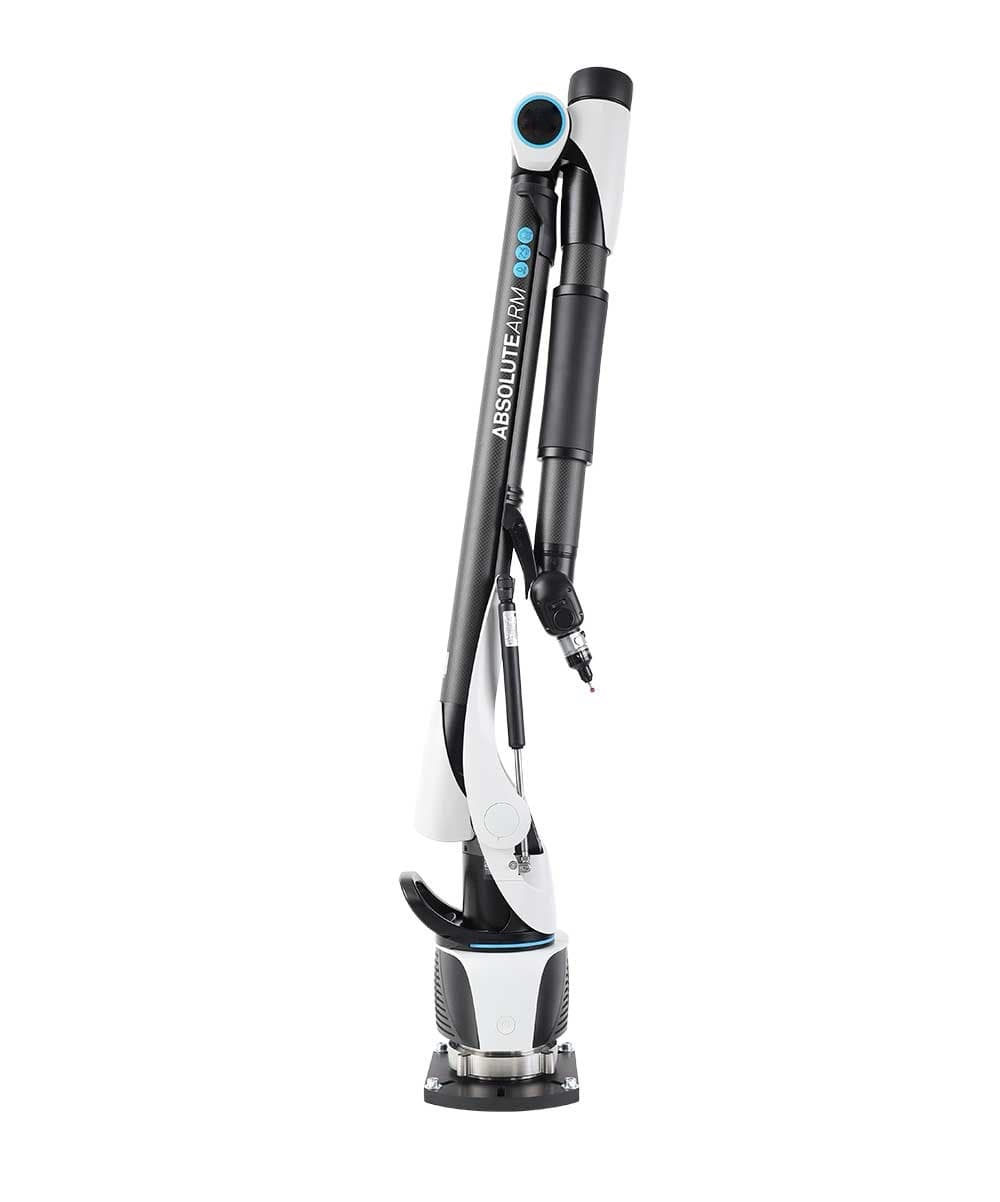
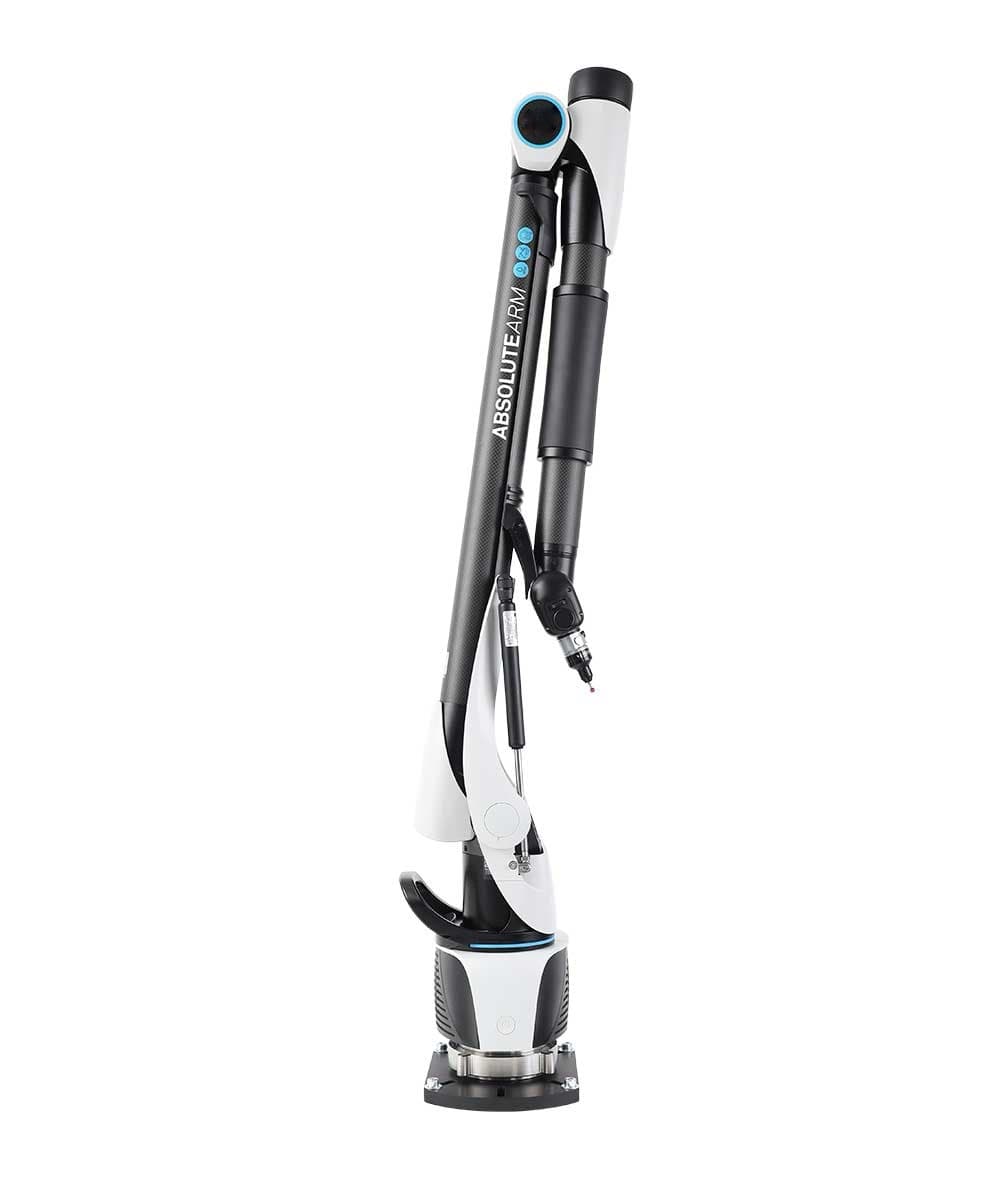
Hexagon Absolute Arm V3P 8340 6-Axis – Portable CMM Measuring Arm

Hexagon Absolute Arm V3P 8340 6-Axis – Portable CMM Measuring Arm

Hexagon

Absolute Arm V3P 8340 6-Axis

2026

New

37 801,00

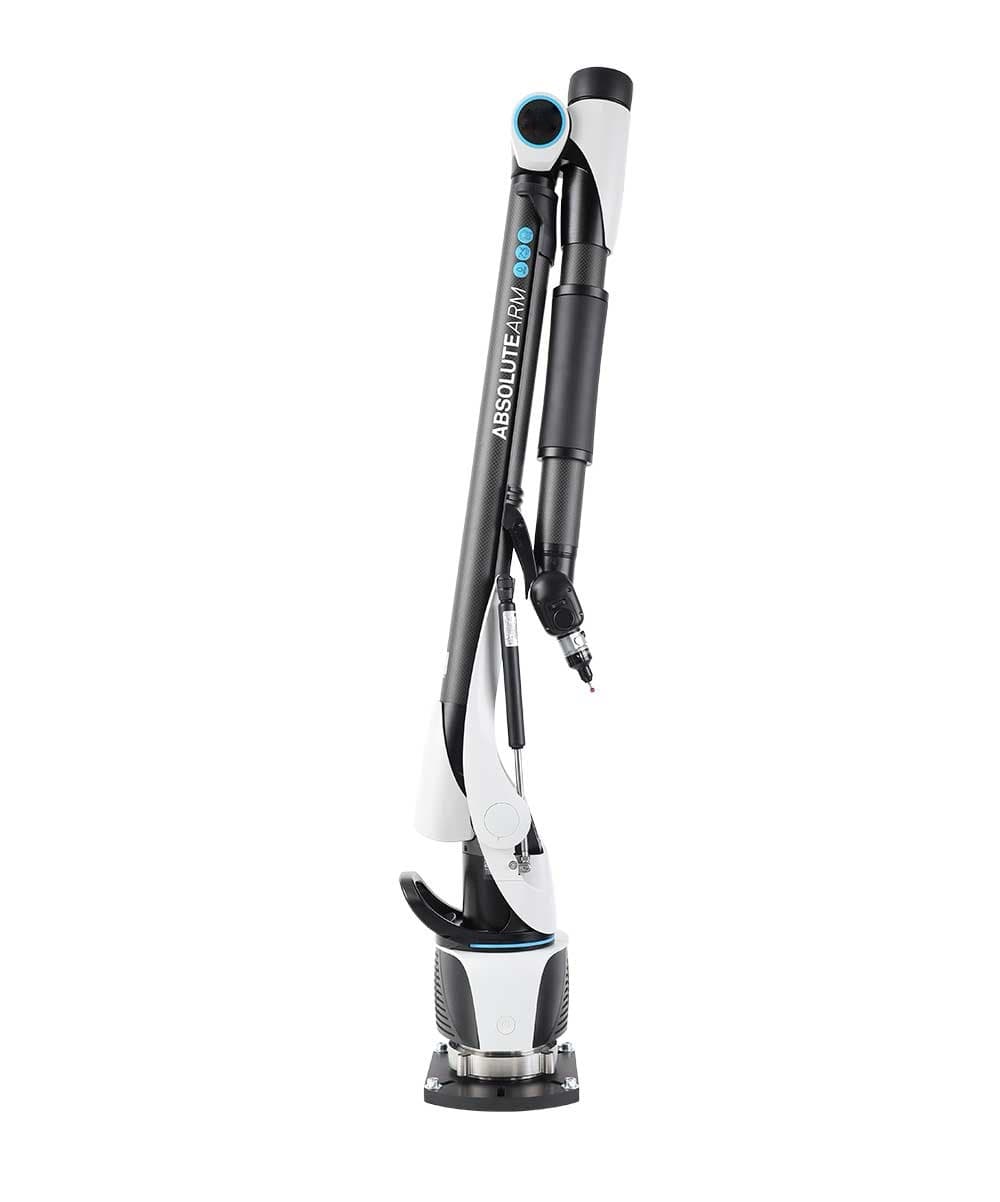
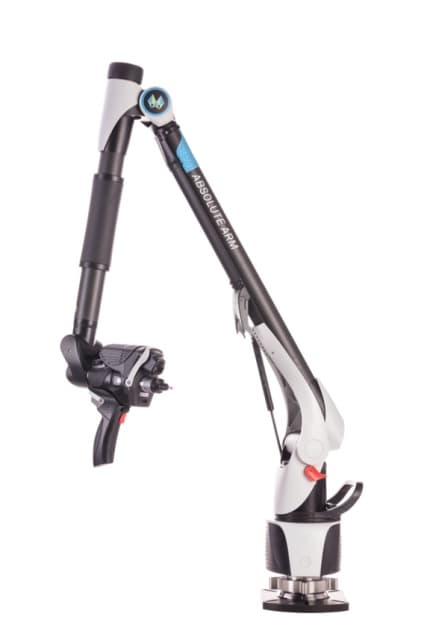
Hexagon Absolute Arm V3P 8345 6-Axis – Large-Range Portable CMM Arm

Hexagon Absolute Arm V3P 8345 6-Axis – Large-Range Portable CMM Arm

Hexagon

Absolute Arm V3P 8345 6-Axis

2026

New

40 891,00

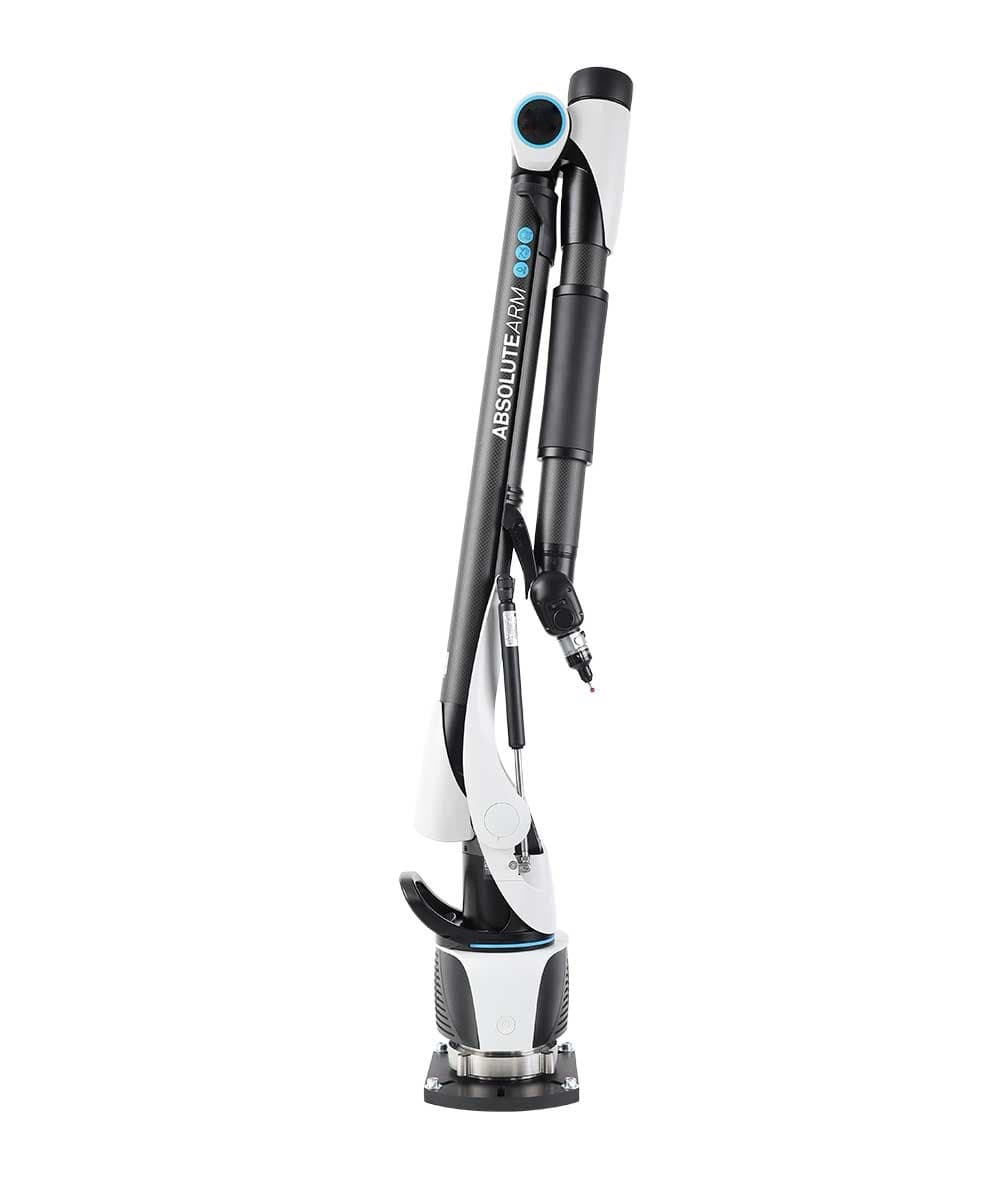
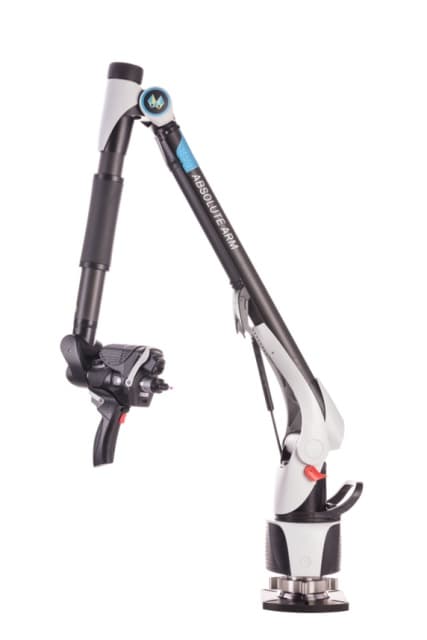
Hexagon Absolute Arm V3P 8335 6-Axis – Portable CMM Measuring Arm

Hexagon Absolute Arm V3P 8335 6-Axis – Portable CMM Measuring Arm

Hexagon

Absolute Arm V3P 8335 6-Axis

2026

New

34 711,00

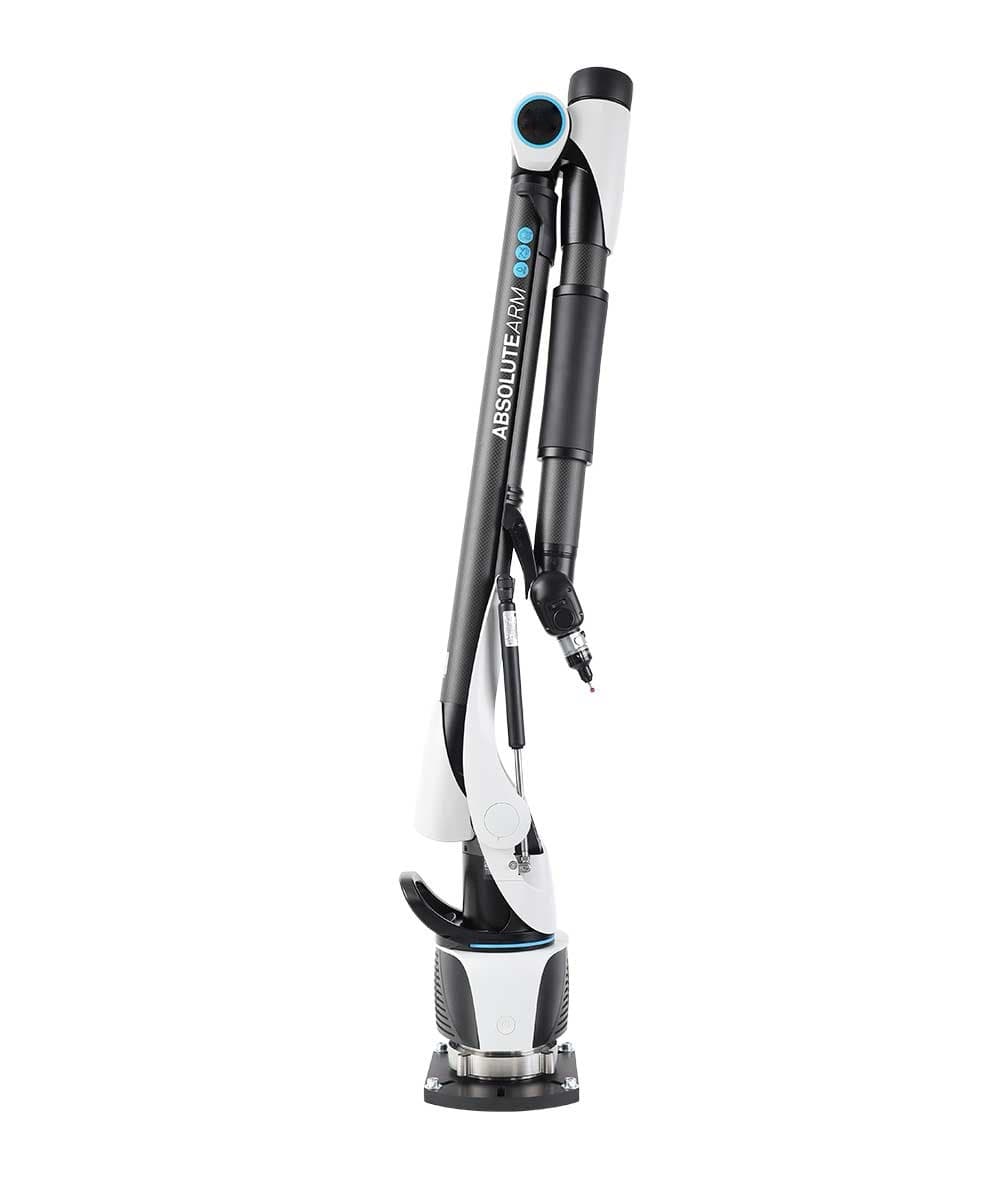
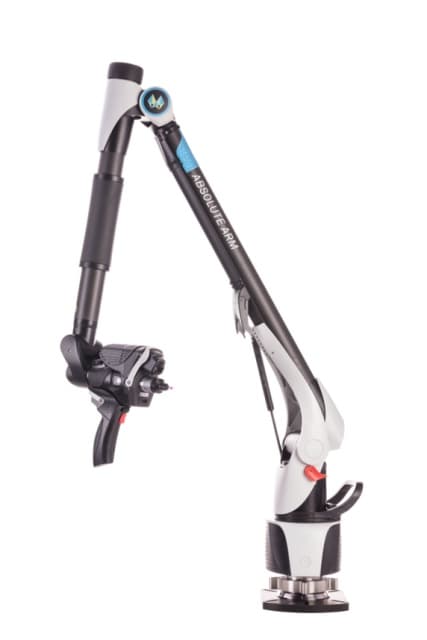
Hexagon Absolute Arm V3P 8312 6-Axis – Portable CMM Measuring Arm

Hexagon Absolute Arm V3P 8312 6-Axis – Portable CMM Measuring Arm

Hexagon

Absolute Arm V3P 8312 6-Axis

2026

New

20 800,00

Hexagon Absolute Arm V3P 8345 7-Axis – Large-Volume 3D Scanning CMM

Hexagon Absolute Arm V3P 8345 7-Axis – Large-Volume 3D Scanning CMM

Hexagon

Absolute Arm V3P 8345 7-Axis

2026

New

42 951,00

Hexagon Absolute Arm V3P 8330 6-Axis – Portable CMM Measuring Arm

Hexagon Absolute Arm V3P 8330 6-Axis – Portable CMM Measuring Arm

Hexagon

Absolute Arm V3P 8330 6-Axis

2026

New

31 209,00

Can’t find what you are looking for?

Coordinate Measuring Machines (CMM) - FAQ
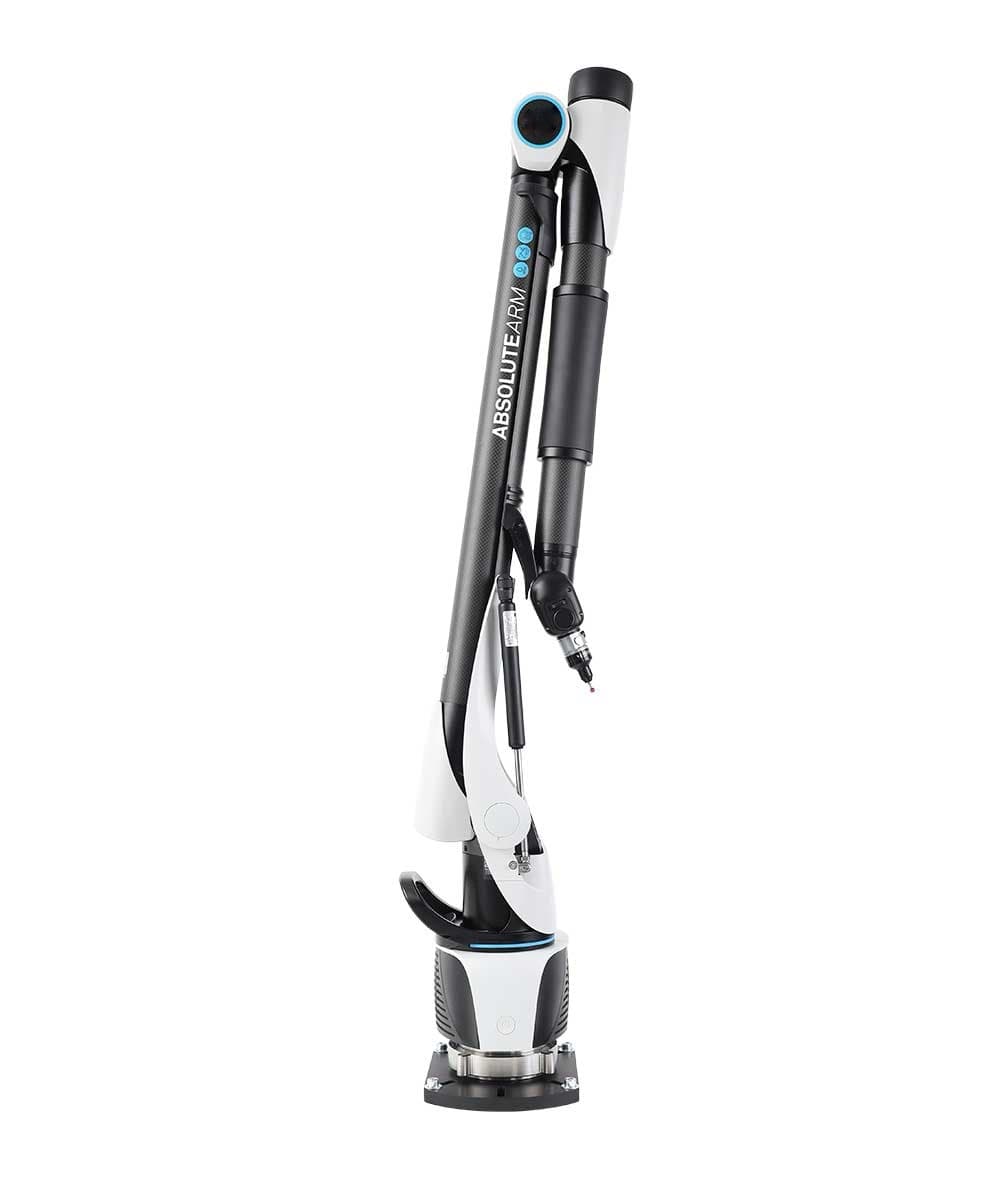
What is a coordinate measuring machine (CMM)?

A coordinate measuring machine is a device used to measure the precise geometry of physical objects. The system records the coordinates of points on a surface using a probe or optical sensor. These measurements are then compared with CAD models or technical drawings. CMM systems are widely used in manufacturing to verify dimensional accuracy and geometric tolerances.

How accurate is a coordinate measuring machine?

Coordinate measuring machines can achieve accuracy from a few microns to several tens of microns. The exact precision depends on the machine type, measurement volume, and environmental conditions. Laboratory bridge CMM systems often provide extremely high accuracy for small components. Larger systems used for industrial parts typically operate with slightly lower but still very precise tolerances.

What types of coordinate measuring machines exist?

The most common types are bridge CMM, gantry CMM, horizontal arm CMM, and portable articulated arm systems. Bridge CMM machines are typically used in controlled laboratory environments. Gantry systems are designed for measuring very large parts such as aircraft components. Portable articulated arms allow measurements directly on the shop floor.

What can a CMM measure?

A coordinate measuring machine can measure dimensions, distances, diameters, angles, and complex geometric features. The system can also evaluate geometric tolerances such as flatness, perpendicularity, and concentricity. Modern CMM systems can capture thousands of measurement points across complex surfaces. This makes them essential for quality control and precision engineering.

What is GD&T in CMM inspection?

GD&T stands for Geometric Dimensioning and Tolerancing. It is a standardized system used to define allowable variations in part geometry. CMM software reads these tolerances from technical drawings or CAD models and automatically checks whether a part meets the required specifications. This helps manufacturers maintain consistent product quality.

What software is used with coordinate measuring machines?

CMM systems rely on specialized metrology software for measurement control and data analysis. These programs guide the measurement process, interpret probe data, and compare results with CAD models. The software also generates inspection reports and deviation maps. Many systems support automated measurement routines for repetitive quality control tasks.

What industries use coordinate measuring machines?

CMM systems are widely used in aerospace, automotive, medical device manufacturing, and precision engineering. Manufacturers use them to verify the accuracy of critical components such as turbine blades, engine parts, and tooling. High-precision inspection is essential in industries where even small dimensional deviations can affect performance or safety.

What should I consider when choosing a CMM?

The key factors are measurement volume, required accuracy, and the type of parts being inspected. Bridge CMM systems provide the highest precision for small components in controlled environments. Larger gantry systems are designed for very large industrial parts. It is also important to consider software capabilities, automation options, and long-term calibration requirements.

Coordinate Measuring Machines - CMM Inspection Systems

A coordinate measuring machine is a specialized device that measures the physical geometrical characteristics of an object by sensing discrete points on its surface with a probe. These systems provide a high accuracy class and traceable calibration, making them the standard for dimensional verification in precision manufacturing. Compared to other inspection methods, a coordinate measuring machine offers superior repeatability and automated data collection for complex components.


Key Features & Specifications

Volumetric accuracy (MPE): $0.9\mu m$ to $4\mu m$ depending on size class according to ISO 10360-2 standards.

Probing system: Touch-trigger probes with $\pm0.35\mu m$ repeatability or scanning probes for continuous measurement at $100 mm/s$.

Measuring volume: Available ranges from $500\times700\times500 mm$ for compact units to $4,000\times2,000\times2,000 mm$ for large-part CMMs.

Temperature operating range: Standard operation at $18-22^{\circ}C$, with thermally compensated models extending to $16-26^{\circ}C$.

Probe qualification: Automatic stylus change magazines supporting up to 21 styli for inspecting complex geometries.

Software integration: Direct interface to PC-DMIS, Zeiss Calypso, and the I++ DME protocol for brand-independent control.


How to Choose the Right CMM

Selecting a CMM involves matching the machine type—bridge, gantry, or portable arm—to the part size, required accuracy, and the operating environment. A shop-floor model like the Hexagon Global S is ideal for near-production inspection where thermal compensation is required, whereas lab-based bridge units are necessary for sub-micron tolerances. Integrating the machine with advanced metrology software is essential for efficient GD&T analysis and automated reporting.