
Sort By:
Manual Total Stations
In-Stock
Discounts
Hot
Sort By:
Newest Listing
Sort By:
Manual Total Station FAQ
What is the difference between a manual and a robotic total station?
A manual total station requires a two-person crew, with one person at the instrument and another holding the prism pole. A robotic total station motorises both axes and tracks the prism automatically, allowing for one-person operation.
What EDM range does a manual total station cover without a prism?
Reflectorless EDM on instruments such as the Leica FlexLine TS10 covers up to 500 m on natural surfaces. Standard prism range extends to 3,500 m, with accuracy in both modes maintained at ±2 mm + 2 ppm.
Can a manual total station be used for machine control?
No, because machine control requires a robotic total station with continuous ATR tracking at speeds of 5-10 m/s. A manual total station is suited to static stake-out, traversing, and detail surveys where a second crew member is available.
Manual Total Station - Precision Surveying Instruments
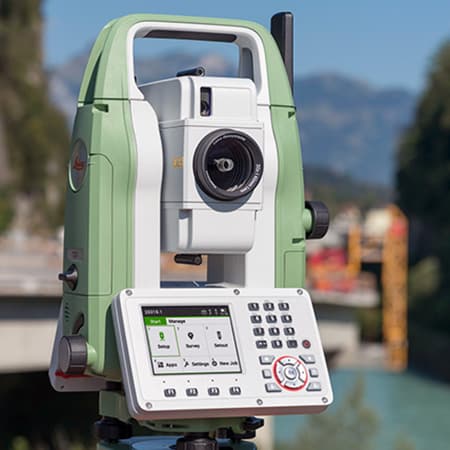
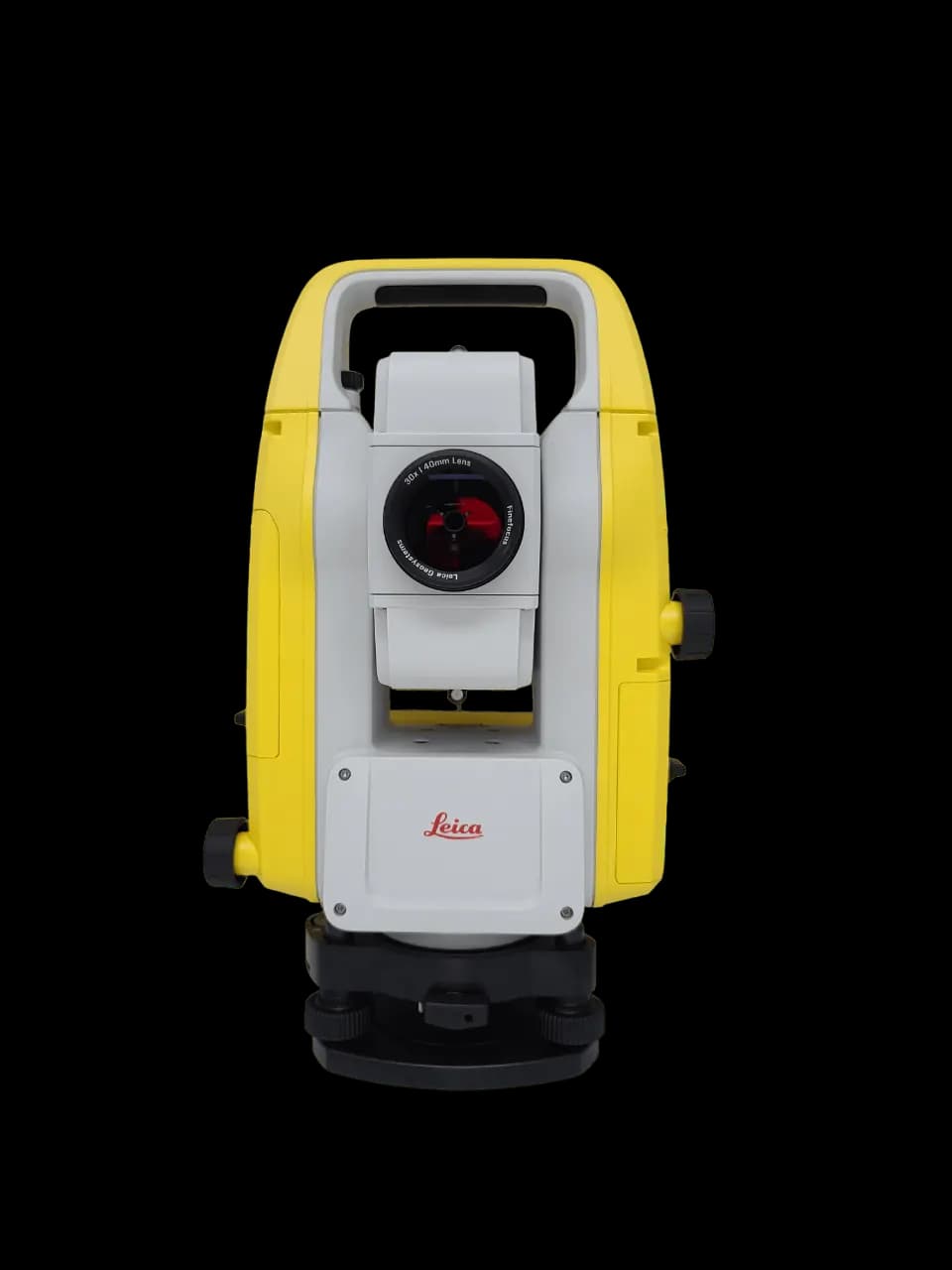
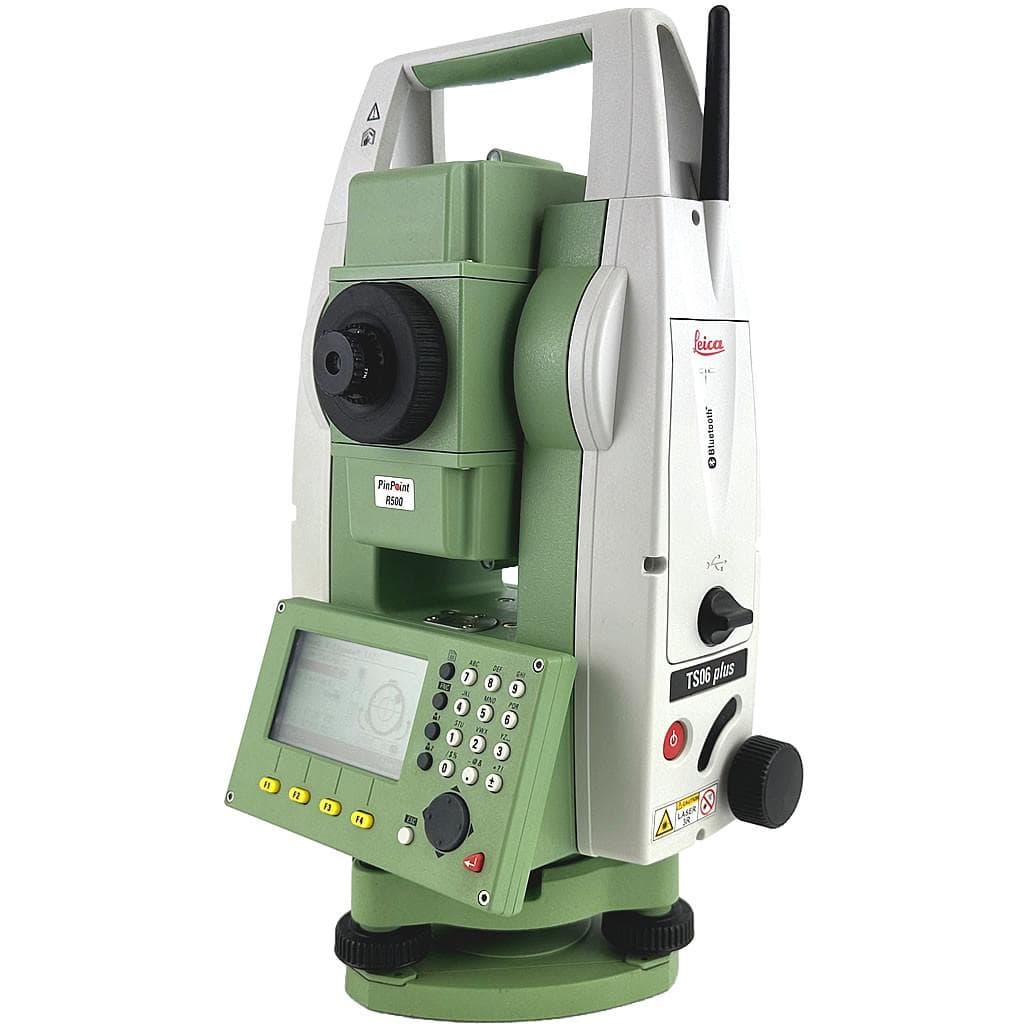
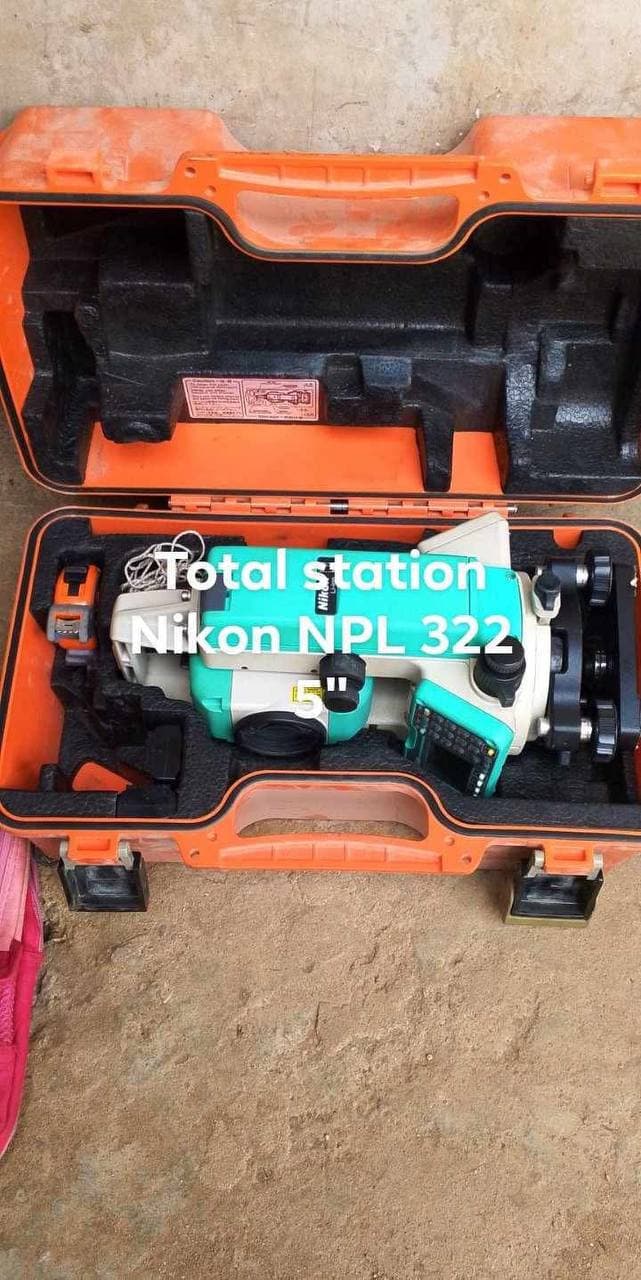
A manual total station is an integrated optical instrument that combines an electronic distance meter (EDM) with an electronic theodolite to measure both slanted distances and horizontal or vertical angles. These instruments provide the fundamental hardware for total station surveying, enabling high-precision coordinate data collection through manual alignment by an operator. While more labour-intensive than robotic total stations, the manual configuration offers a reliable and cost-effective solution for standard engineering and construction layouts.
Key Features & Specifications
Angular accuracy: 2" to 7" (arc-seconds) – 2" for precise engineering surveys; 5-7" for general construction layout.
EDM range: Up to 3,500 m using a single prism; reflectorless range up to 500 m on natural surfaces.
EDM accuracy: ±2 mm + 2 ppm when using a standard prism for distance measurement.
Magnification: 30x telescope with a minimum focus distance of 1.3 m for close-range work.
Battery life: 30-54 hours for continuous angular measurement; 8-10 hours when operating the EDM.
Data storage: Onboard memory supporting 10,000-50,000 points with USB or Bluetooth transfer capabilities.
Environmental protection: IP55 rating ensuring the unit is dust-sealed and resistant to jet-water in field conditions.
How to Choose the Right Manual Total Station
Selecting a manual total station requires matching the angular accuracy to the specific project tolerances, such as choosing a 2" instrument like the Leica FlexLine TS07 for bridge monitoring or a 5" model for residential stakes. Procurement managers must balance the lower initial investment of a manual optical total station against the increased long-term personnel costs of a two-person crew. For standard topographic work where high-speed automated tracking is not required, a Sokkia iM-105 provides a robust entry point with sufficient reflectorless range for most site conditions.