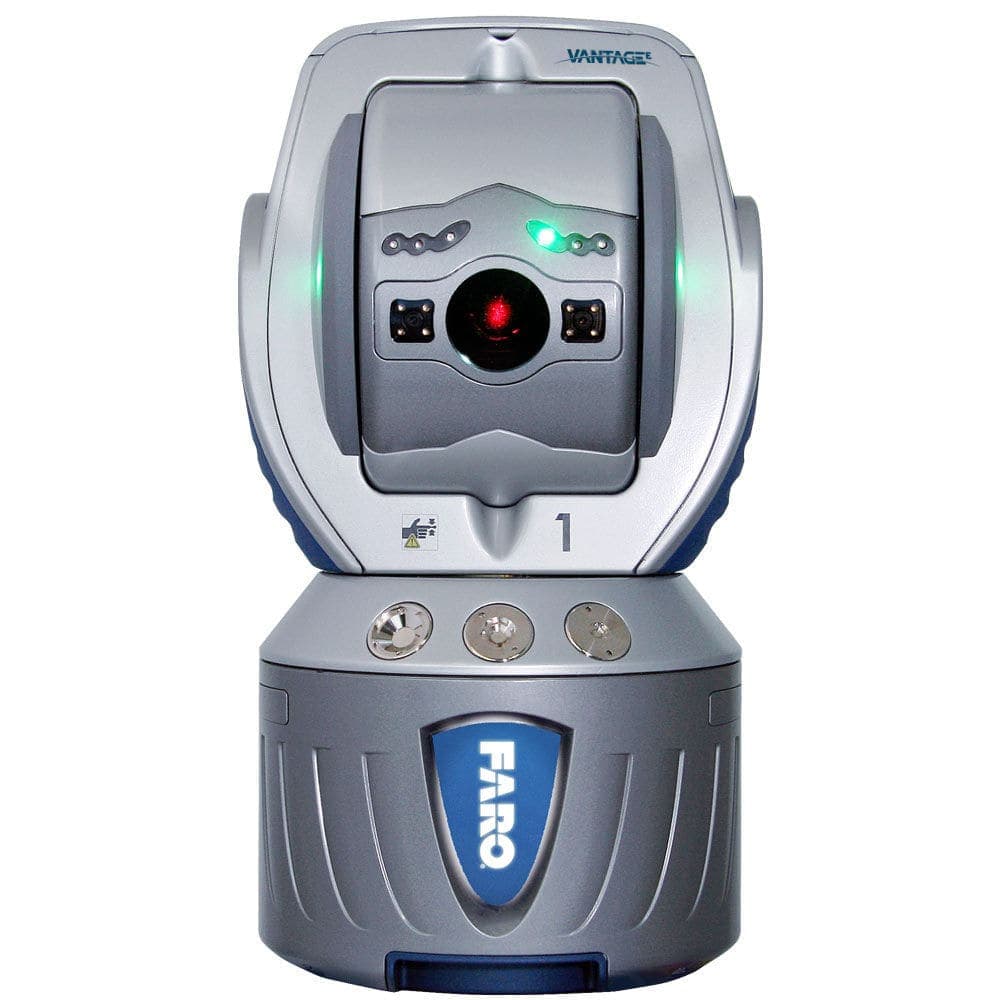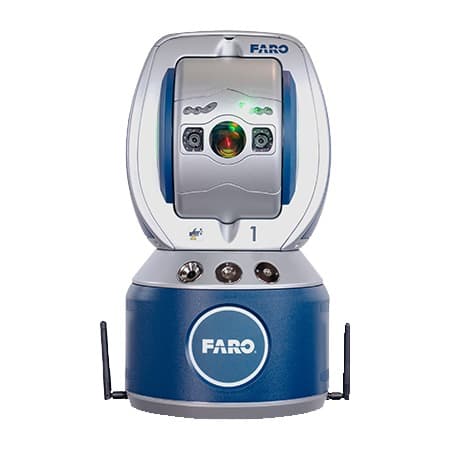
Laser Tracker Systems
Newes Listing
Grid view
List view
Trader view
Download Exel
Laser Tracker Systems
What is a laser tracker?
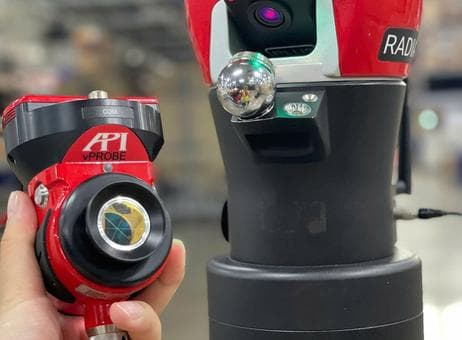
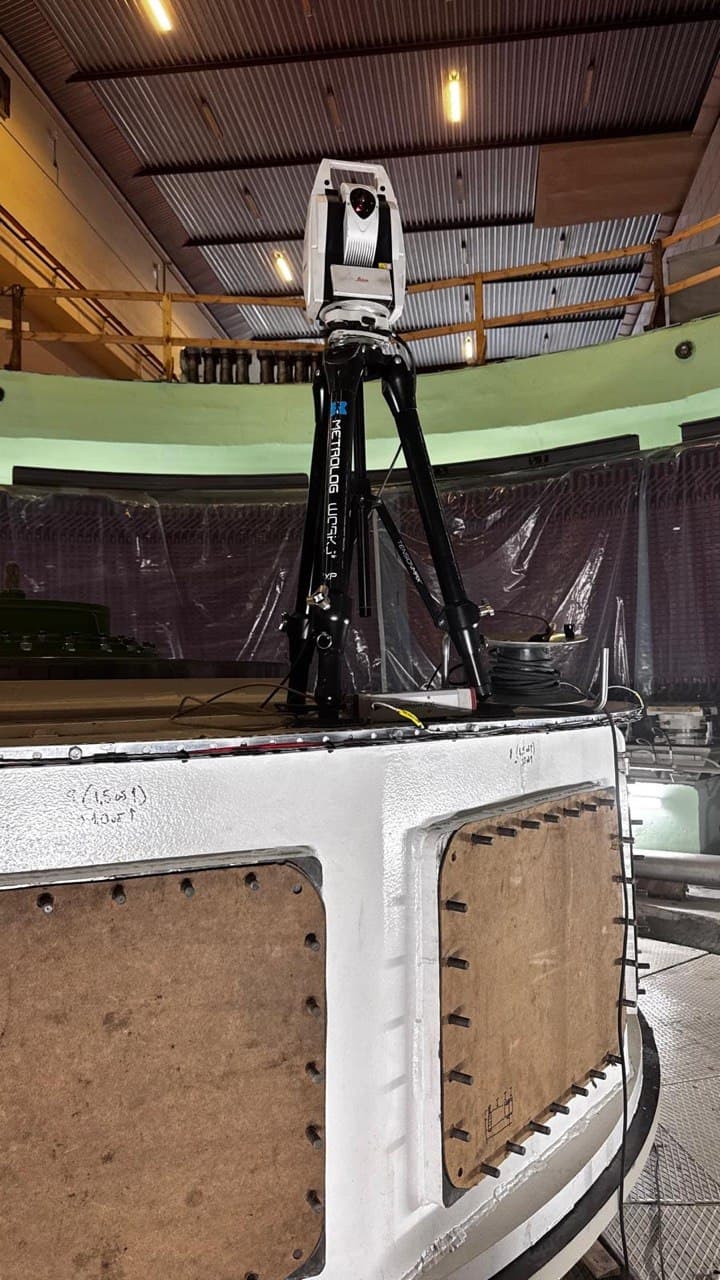
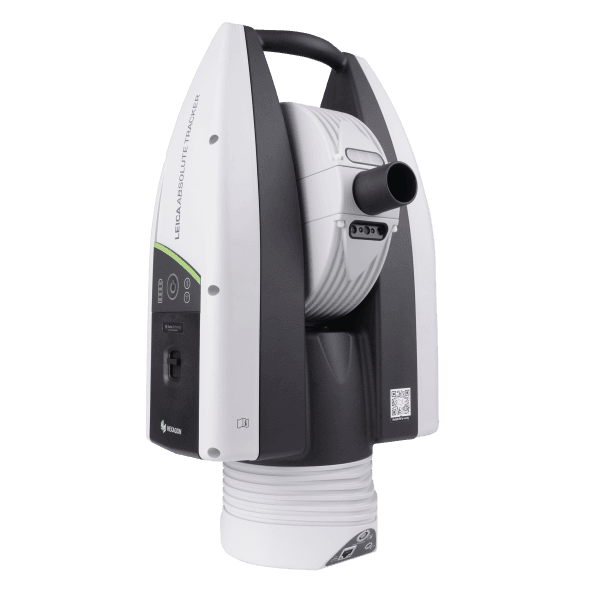
A laser tracker is a high-precision instrument used to measure the position of objects in three-dimensional space over large distances.
The device tracks a reflective target using a laser beam and calculates its exact coordinates. By combining distance and angle measurements, the system determines the position of points in space. Laser trackers are widely used for alignment, assembly verification, and large-scale dimensional inspection.
How does a laser tracker work?
A laser tracker measures distance and angles to determine the coordinates of a target.
The system directs a laser beam toward a reflector and continuously tracks its position. Sensors measure the horizontal and vertical angles while the instrument calculates distance using laser interferometry or absolute distance measurement. These values are combined to produce precise 3D coordinates.
How accurate is a laser tracker?
Laser trackers typically achieve accuracy within tens of microns depending on measurement distance.
Precision is usually expressed as a base accuracy plus a small error per meter of distance. Environmental factors such as temperature, vibration, and air turbulence can affect results. Proper calibration and stable setup are essential for maintaining high measurement accuracy.
What is an SMR (Spherically Mounted Retroreflector)?
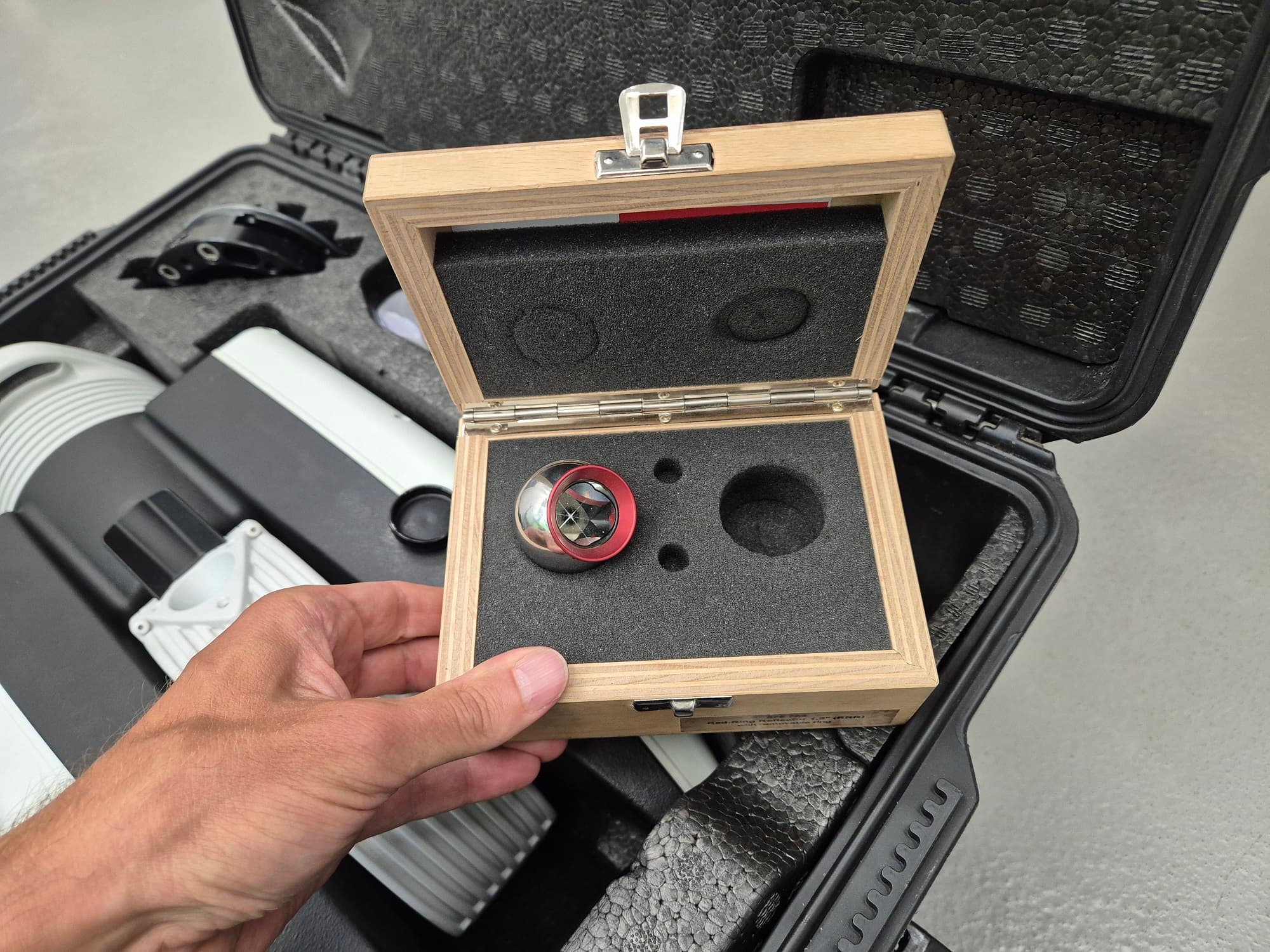
An SMR is a precision reflector used as the measurement target for a laser tracker.
It contains a corner-cube reflector mounted inside a spherical housing. Because the reflective center aligns with the center of the sphere, the target can be positioned in different orientations without affecting measurement accuracy. SMRs are commonly placed in magnetic nests or mounts on measured parts.
What is the difference between a laser tracker and a CMM?
The main difference is measurement range and application environment.
CMM systems typically measure smaller parts within controlled laboratory environments. Laser trackers are designed for very large measurement volumes and can measure objects across tens of meters. They are commonly used for large assemblies such as aircraft structures or industrial machinery.
What industries use laser tracker systems?
Laser tracker systems are widely used in aerospace, automotive manufacturing, and heavy industry.
They help engineers align large structures, inspect assemblies, and verify tooling accuracy. Shipbuilding, energy, and industrial equipment manufacturers also rely on these systems for precision measurements. Their ability to measure large volumes makes them valuable for complex engineering projects.
What software is used with laser trackers?
Laser tracker measurements are processed using specialized metrology software.
The software analyzes coordinate data, compares measurements with CAD models, and evaluates geometric tolerances. It can also perform alignment calculations and generate inspection reports. These tools allow engineers to visualize deviations and ensure components meet design specifications.
What should I consider when choosing a laser tracker?
The key factors are measurement range, accuracy, and environmental stability.
Engineers should also evaluate portability, setup time, and compatibility with inspection software. Some systems are optimized for factory environments while others are designed for field measurements. Selecting the right tracker depends on the scale and precision requirements of the project.


.jpeg&w=3840&q=75)