Sort By:
SOLD OUT
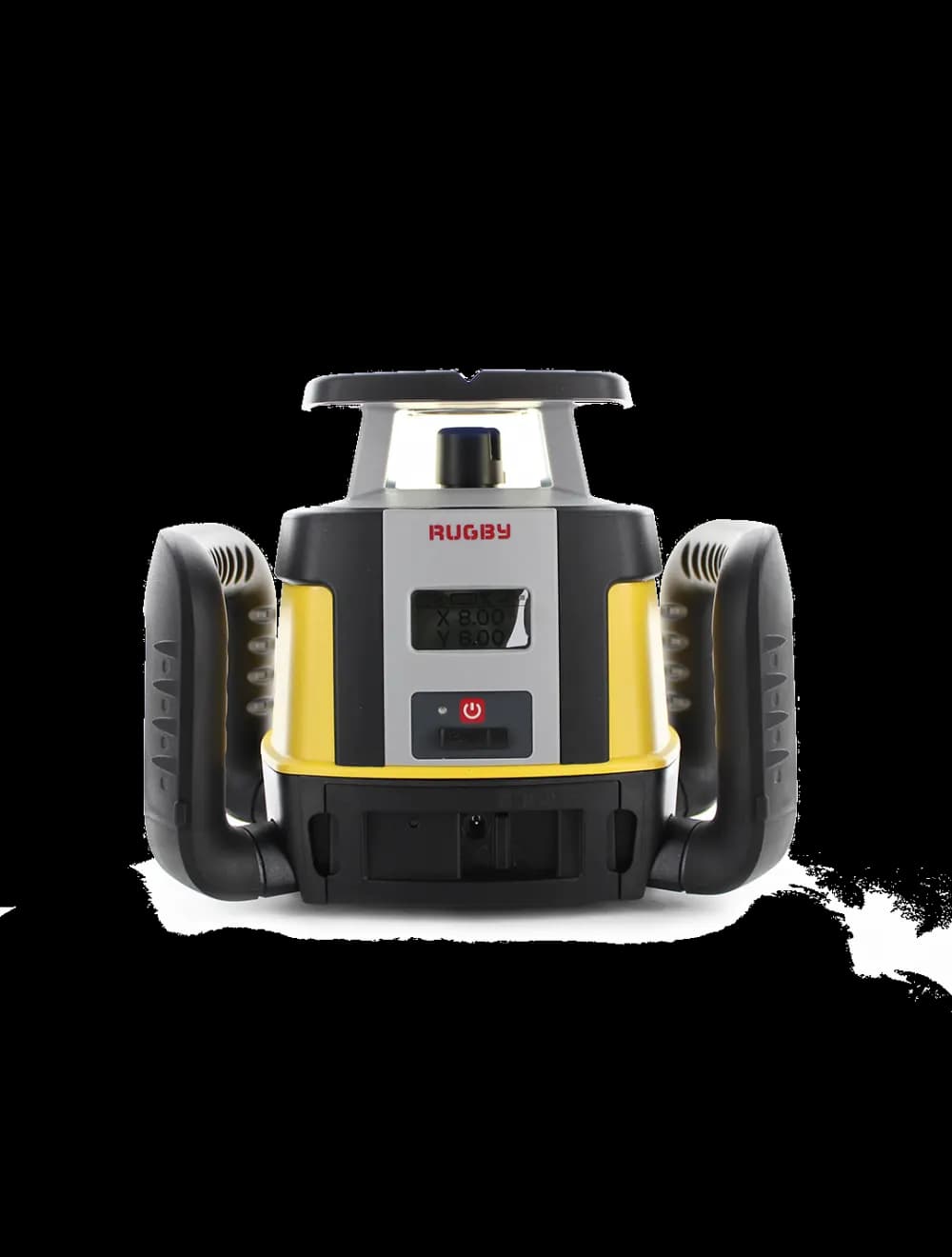
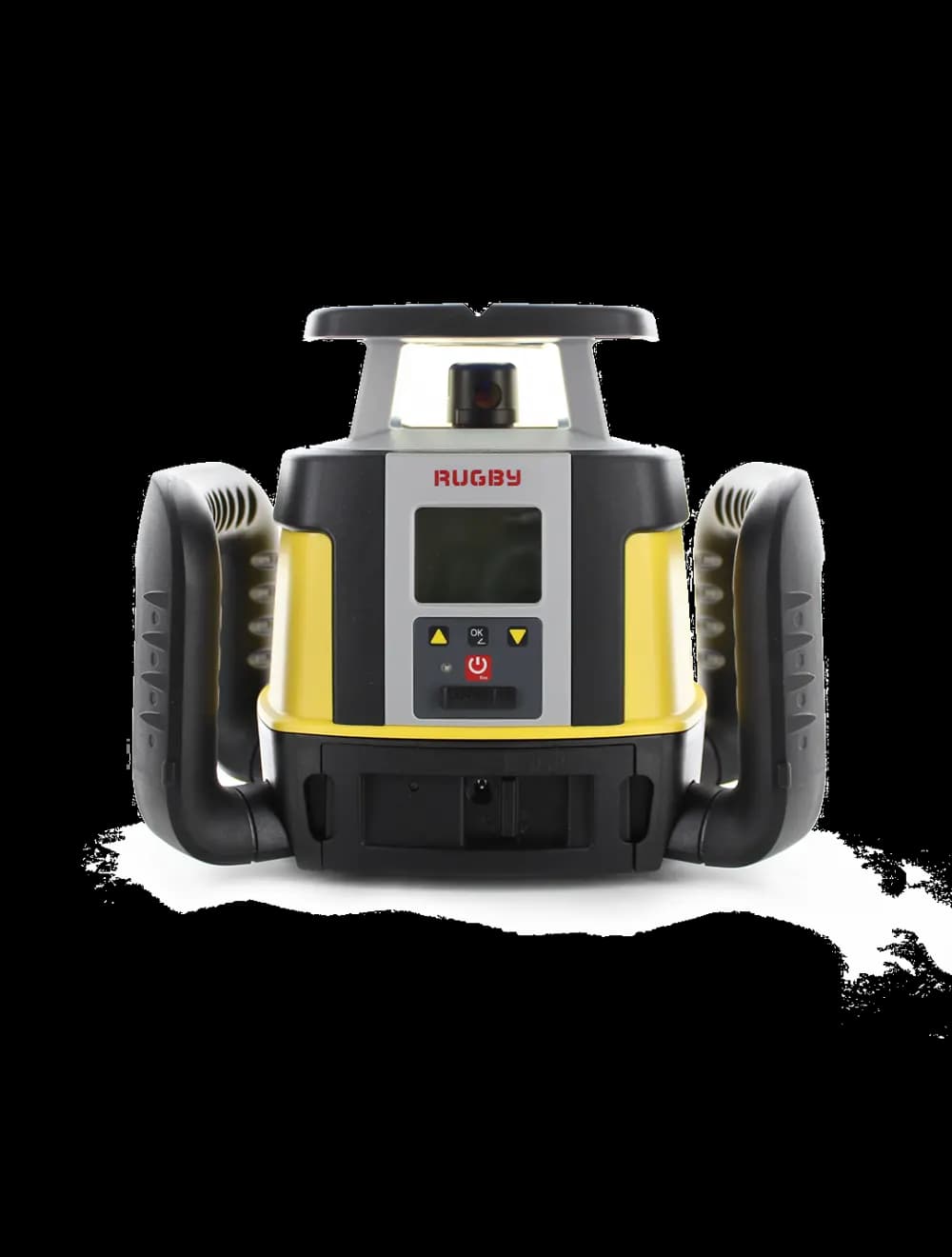
Used Leica Rugby CLA-ctive Horizontal Laser with CLX 550 Slope (Double Grade)
LeicaRugby CLA-ctive Laser + CLX 550
2021
Used
€1 754,50
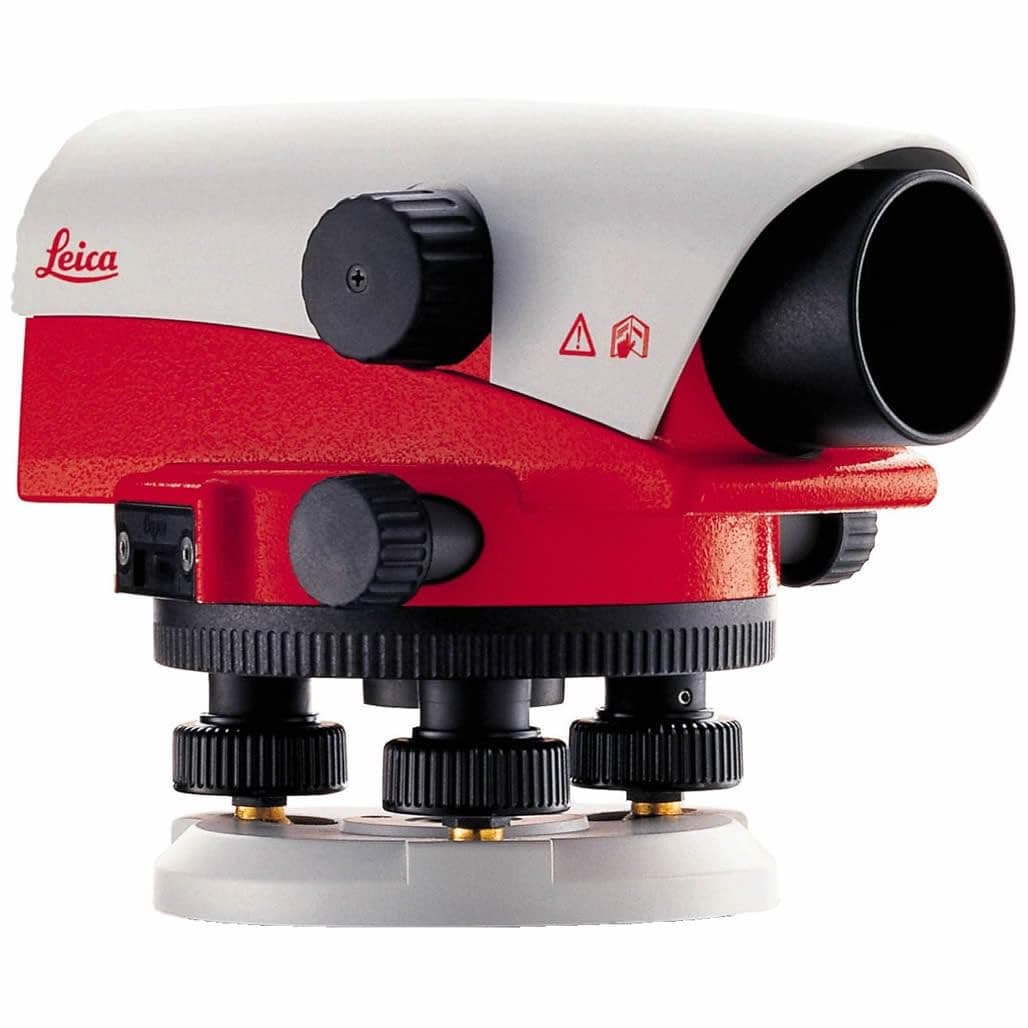
An auto level is a specialized optical instrument that utilizes an internal compensator mechanism to automatically maintain a horizontal line of sight once the device is roughly leveled. This tool provides a primary technical advantage in its simplicity and speed of setup, offering a more cost-effective alternative for height transfers than electronic digital levels. While digital models automate data storage, the auto level remains a staple in construction for its reliability in diverse environmental conditions without the need for complex digital interfaces.
Accuracy: Standard deviation for double-run levelling ranges from $1.0-3.0~mm/km$.
Compensator: Features magnetic damping with a setting range of $\pm15$ arcminutes and an accuracy of $\pm0.5$ arcseconds.
Telescope magnification: High-clarity optics with $20\times$ to $32\times$ magnification power.
Focusing: Shortest focusing distance between 0.3 m and 0.5 m for work in confined spaces.
Stadia measurement: Integrated 1:100 stadia ratio for calculating horizontal distances directly from staff readings.
Weight: Portable design weighing between 1.5 kg and 2.2 kg, representing the lightest class of optical levelling instruments.
Durability: IP54 rating ensuring the housing is dust-sealed and splash-resistant for rugged site use.
To choose the correct instrument, you must match the accuracy class to your specific project requirements, such as selecting a geodetic-grade model for precision subsidence monitoring or a standard unit for general site grading. For reliable daily use on construction sites, the Topcon AT-B4A is a frequent choice due to its balance of $2.0~mm/km$ accuracy and robust environmental sealing. Professionals should also consider telescope magnification; while a $24\times$ lens like the Sokkia B40A is sufficient for short distances, a $32\times$ model is required for clearer readings on long-range sightings.